




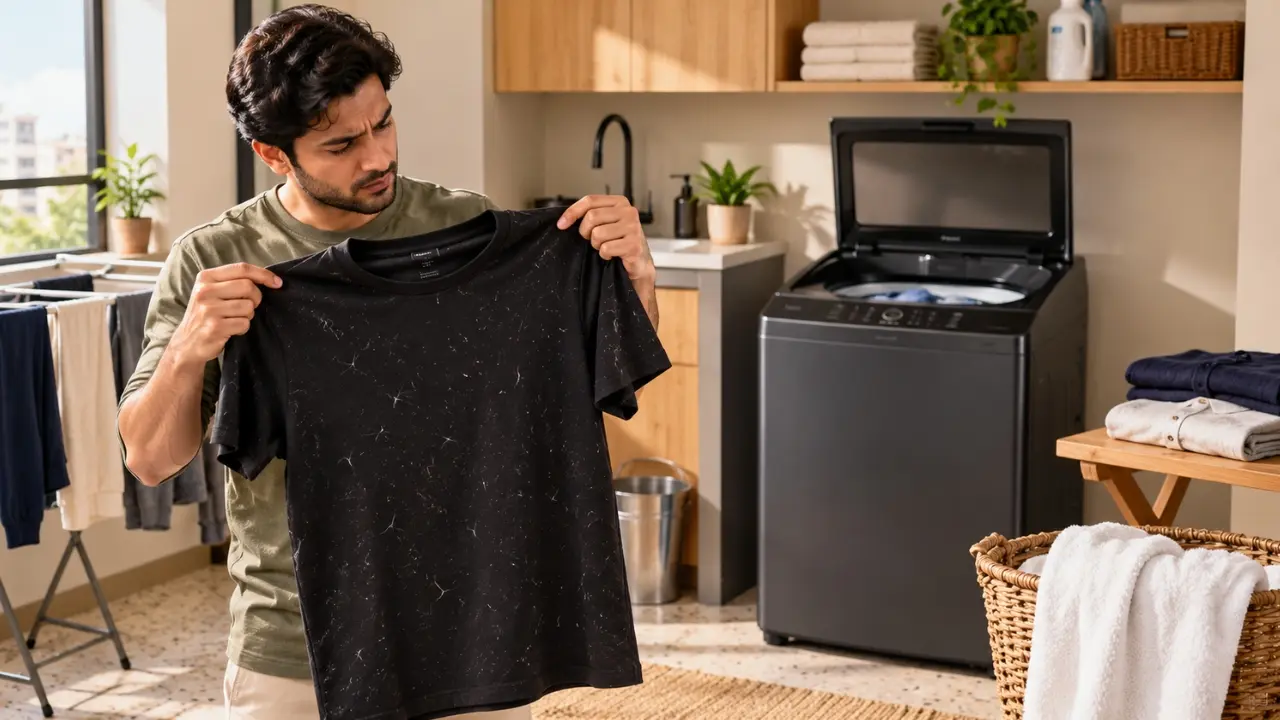

You pull your freshly washed black T-shirt out of the washing machine, hoping that it’ll look clean. Instead, it has little white fibres all over it. The clothes are washed and smell good, but they just don’t look quite right.
That’s where a lint filter in a washing machine can make a difference.
Lint is an easy-to-miss problem that can arise. However, those small fibres can get onto clean clothes, especially if towels, cotton and synthetic fabrics are washed in the same load.
So, is it necessary for all washing machines to have a lint filter? And will it affect your purchase?
This will vary depending on the washing machine you have, the type of filtration and how you use it. This information will help you make the right choice when selecting a machine that will take better care of your clothes.
What Is a Lint Filter in a Washing Machine?
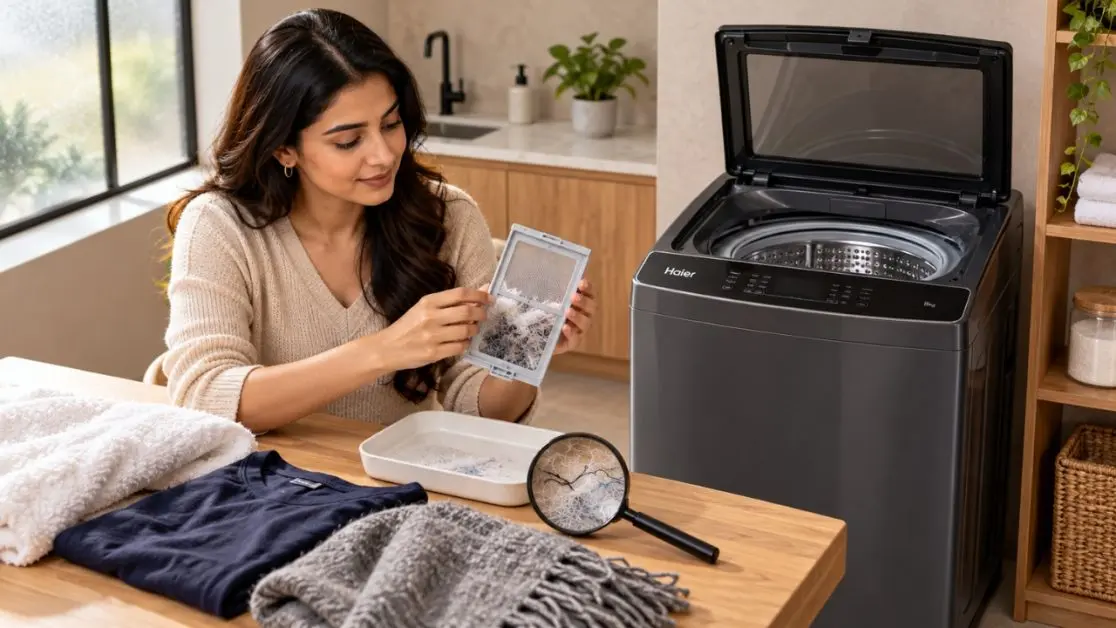
A lint filter is a filter element that captures loose fabric fibres, fluff and some small particles that come loose when washing clothes.
Each time garments rub against one another, some fibres separate from the fabric. This is a natural occurrence, even with good-quality garments. Cotton and woollens, as well as towels and other cotton fabrics, are more likely to produce visible lint.
These fibres can remain in the wash water or settle on other clothes if lint collection is not effective.
A filter in the washing machine can help trap some of these particles before they land on your clothes again.
How Does a Washing Machine Lint Filter Work?
For washing machines with a separate lint filter, the process is relatively straightforward.
- During the wash cycle, clothes are agitated in the water.
- Friction separates loose fibres and fluff from the fabric.
- Water circulates through the machine’s washing system.
- Some of the suspended particles are caught by the lint filter.
- Lint can be removed during regular filter cleaning.
It depends on how the washing machine is designed. Some models have removable mesh filters or specially designed filtration components.
Other front-load washing machines might have alternative arrangements, such as a pump filter that is mainly designed to collect foreign objects and safeguard drainage components.
Important: A pump filter is not always the same as a separate lint filter.
Will You Actually Need a Lint Filter?
While a lint filter is helpful, it is not always necessary for a washing machine to have a separate, removable lint filter.
Some machines have a dedicated lint-collecting system. Others manage loose fibres through their washing and drainage systems.
It’s important to consider how well the machine can manage the laundry that you normally wash.
For instance, let’s say that a family washes school clothes, bath towels, office wear and bed sheets throughout the week. If laundry is not sorted correctly, lint from towels can be readily seen on darker-coloured clothing.
In such cases, having a dedicated filtration feature can be helpful.
A Lint Filter Is More Useful When.
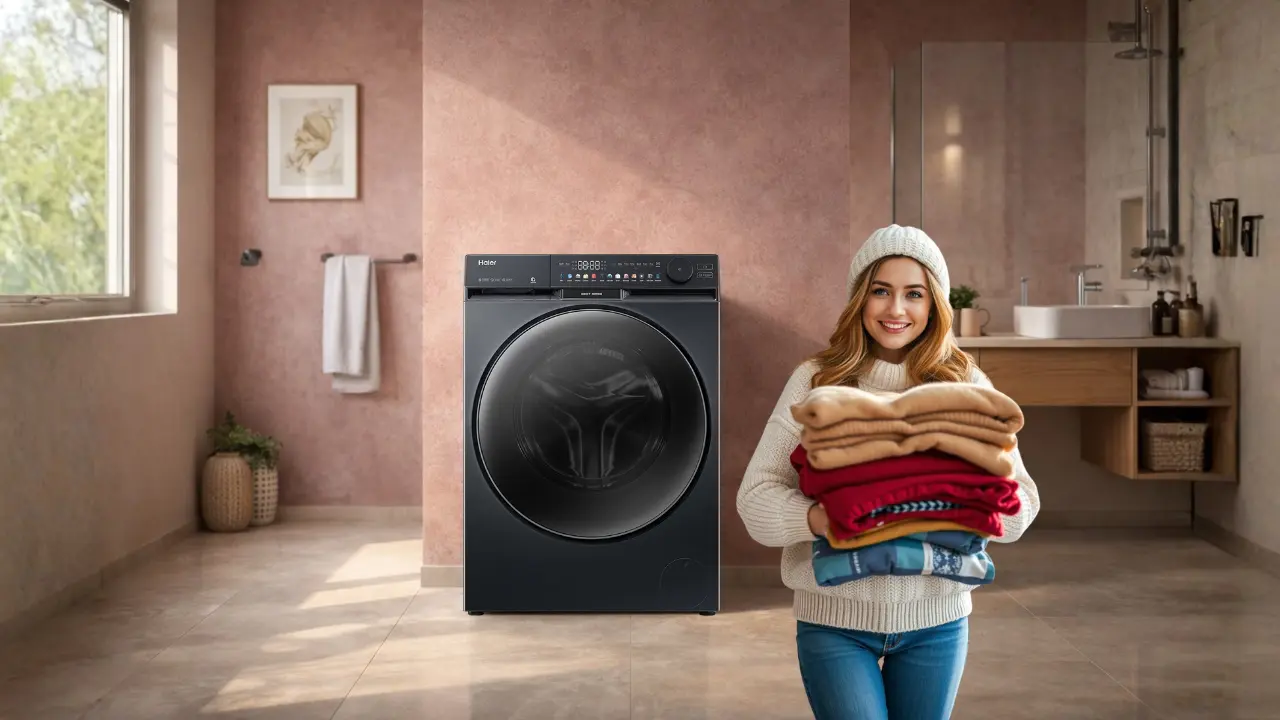
If you think you might benefit from a washing machine with a lint-catching system, consider the following situations:
- You wash cotton clothes often: When you wash cotton garments, they can shed loose fibres.
- Your family uses plenty of towels: Towels can produce a lot of visible fluff, particularly when they are fairly new.
- You wear dark-coloured clothes: Light-coloured lint is visible on dark trousers, shirts and other garments.
- You wash different fabrics regularly: Mixed laundry loads can increase the risk of lint transferring between fabrics.
- You have pets at home: Some loose pet hair may be filtered out, but not all of it.
A lint filter is useful, of course. However, it is not a substitute for proper laundry sorting and appliance maintenance.
What Happens If the Washing Machine Doesn’t Have a Lint Filter?
Not having a dedicated lint filter does not mean your washing machine is unsuitable.
Many washing machines do not have a removable lint-catching basket.
However, depending on the machine’s design and your washing habits, there are some problems that you may encounter.
1. Visible Fibres on Freshly Washed Clothes
This is likely the most troublesome issue.
You wash a navy-blue kurta with a light-coloured cotton towel. At the end of the cycle, the kurta has very fine fibres stuck to it.
The clothing is clean, but not ready to wear.
2. More Attention Is Required When Separating Laundry
Separating laundry requires more attention, especially when it comes to keeping lint-producing clothes away from lint-attracting fabrics.
For instance, dark-coloured sportswear is not the best choice for washing with a fluffy towel.
3. Loose Particles May Remain in the Wash
Some fibres may remain in the water and redeposit on clothes, depending on the washing system.
However, lint build-up alone is not enough to prove that a machine has a filtration defect.
Excessive detergent use, overloaded drums and unsuitable wash programmes can also leave residues.
How Haier’s Magic Filter Helps Control Lint
It’s good to consider more than just the drum size and wash cycles when choosing a washing machine.
How a machine manages loose fabric particles is also worth considering.
Haier India offers washing machines with Magic Filter technology, which is designed to help collect lint during washing.
One such model is Haier’s 8 kg Top Load Washing Machine (HWM80-310BKN), which has a Dual Magic Filter design.
The product description states that it has two bionic Magic Filters that trap lint, fluff and other particles.
For households that regularly wash mixed loads of laundry, this is a useful feature to consider.
Haier 8 kg Top Load Washing Machine (HWM80-310BKN)
This model combines lint filtration with the convenience of everyday washing.
It offers a variety of features, such as:
- Dual Magic Filter: Two filters designed to collect lint, fluff and other particles during the washing process.
- Oceanus Wave Drum: Designed to clean clothes thoroughly while treating fabrics gently.
- 5-Star Energy Rating: An energy-efficiency rating worth considering when comparing washing machines.
- Fuzzy Logic: A feature that supports automatic washing operation.
- Softfall Technology: Allows the lid to close gently, helping reduce slamming sounds.
- 8 kg Capacity: Provides space for larger loads of laundry, depending on the fabric and programme requirements.
This combination makes the model an interesting option for households that frequently wash various types of clothes.
The Magic Filter is especially useful if you are concerned about managing lint.
Yet Another Haier Solution for Everyday Laundry Tasks

Not all households need an 8 kg washing machine.
You can choose a smaller one if your laundry loads aren’t too large.
Another option is the Haier 6.5 kg Ultra Air Fresh Top Load Washing Machine (HWM65-306S8), which has a Magic Filter.
Why Is the Haier HWM65-306S8 Worth Considering?
This model combines its lint-catching feature with several washing functions.
- Magic Filter: Collects loose lint during washing.
- Ultra Air Fresh: Designed to help eliminate unwanted smells and freshen up clothes.
- Oceanus Wave Drum: Provides gentle treatment of fabrics while supporting effective washing.
- 15-Minute Quick Wash: Offers a quick wash for suitable, lightly soiled loads.
- 8 Wash Programmes: Provides washing options for various laundry needs.
- 5-Star Energy Rating: Supports energy-efficient appliance choices.
- Softfall Technology: Helps ensure gentle lid closure.
The 6.5 kg capacity is suitable for households with smaller laundry loads, although it may not be adequate for those who regularly wash large quantities of clothes.
If you’re looking for a washing machine that can be used daily without hassle and has a lint-catching feature, this is an option worth considering.
How to Clean a Washing Machine Lint Filter
To clean a washing machine lint filter, follow the instructions in the machine’s user manual.
Even a well-designed filter requires maintenance.
If lint builds up in the filter and is left there for a long time, it can reduce the filter’s efficiency. Cleaning also helps prevent debris from accumulating inside the component.
The method varies according to the washing machine model, so be sure to follow the manufacturer’s instructions.
The general approach for machines that have an easily accessible, removable lint filter is:
- Switch off the washing machine before checking the filter.
- Use the user manual to locate the filter.
- Remove it only if permitted by the manufacturer.
- Carefully remove the lint.
- Rinse the filter if the instructions allow it.
- Refit the component securely before operating the machine.
Don’t use sharp objects to remove lint. They may damage delicate mesh or plastic components.
If the filter appears to be damaged or is difficult to remove, do not force it open. Contact an authorised service professional instead.
When Should You Clean It?
There is no fixed time frame for cleaning.
If a household mainly washes fluffy towels several times a week, the filter may need to be checked more often than in a household that mainly washes lightweight clothing.
Clean the filter according to the manufacturer’s maintenance instructions, especially when there is visible lint build-up.
Simple Ways to Minimise Lint
Loose fibres can be caught by a lint filter, but how you load the washing machine also matters.
Some simple adjustments can make a difference:
- Wash towels separately: Avoid washing dark-coloured clothing with lint-shedding towels.
- Check garment pockets: Tissues left in pockets may crumble and spread fibres throughout the load.
- Turn suitable garments inside out: This may help minimise visible surface damage to some fabrics.
- Don’t overload the machine: Clothes should be allowed to move freely during washing.
- Select the correct programme: Choose a programme according to the garment care instructions and the washing machine’s guidance.
- Use the recommended amount of detergent: Too much detergent can leave residue that looks like lint.
Last but not least, be careful not to mistake all the white marks on clothes for lint. Detergent residue can look quite similar.
Identifying the cause of the residue will help you avoid unnecessary washing cycles.
Before Buying a Washing Machine With a Lint Filter, What Should You Look For?
If lint control is a priority, consider a few practical questions before you buy.
Does the model include a dedicated lint-catching feature?
Don’t assume that all top-load washing machines have the same filter. Check the official specifications.
Can the filter be easily accessed for maintenance?
Understand how to clean it according to the manufacturer’s guidelines.
Is the capacity appropriate for your laundry requirements?
A bigger drum is not always better. Think about the average amount of laundry you do and how often you wash it.
Are the washing programmes suitable for your clothes?
Households that wash cotton garments, delicate fabrics and everyday workwear should consider whether the available programmes suit their laundry needs.
The two models that feature Magic Filter technology are Haier India’s HWM80-310BKN and HWM65-306S8.
Care for Your Clothes Like They Deserve With Haier India
A washing machine should do more than complete a wash cycle. It should make your everyday laundry hassle-free.
Although a lint filter may seem like an insignificant component, it becomes all the more useful whenever you wash towels, cotton clothes and darker garments.
Households can use Magic Filter technology, available in selected top-load washing machines, to help manage loose fibres during washing.
Depending on how much laundry you do and how much capacity you need, you can choose between the 8 kg HWM80-310BKN, which has a Dual Magic Filter, and the 6.5 kg HWM65-306S8, which features Ultra Air Fresh.
Discover Haier’s washing machine range and choose the model that best caters to your laundry needs, with features that suit the types of clothes you wash most often.
Frequently Asked Questions
1. Is a lint filter necessary in a fully automatic washing machine?
Not necessarily. Some fully automatic washing machines have dedicated lint filters, while others use different systems to manage loose fibres. A dedicated filter can be useful when washing lint-producing fabrics frequently.
2. Does a lint filter remove all lint from clothes?
No. A lint filter captures some loose fibres during washing, but it cannot guarantee completely lint-free garments. Proper fabric sorting and washing practices remain important.
3. Can I wash clothes without a lint filter?
Yes, if the washing machine is designed to operate without a dedicated filter. However, if your model originally includes a required removable filter, follow the manufacturer’s instructions before operating it without that component.
4. Does the Haier 8 kg HWM80-310BKN have a lint filter?
Yes. The Haier HWM80-310BKN features a Dual Magic Filter system designed to capture lint, fluff and other particles during washing.
5. Does the Haier 6.5 kg HWM65-306S8 include a Magic Filter?
Yes. The Haier HWM65-306S8 lists a Magic Filter among its specifications. It also offers Ultra Air Fresh, Oceanus Wave Drum and eight wash programmes.
6. Why do my clothes still have lint after washing?
Possible reasons include washing towels with dark garments, overloading the drum, detergent residue or accumulated debris in the filter. Check your laundry sorting habits and follow the machine’s maintenance instructions.