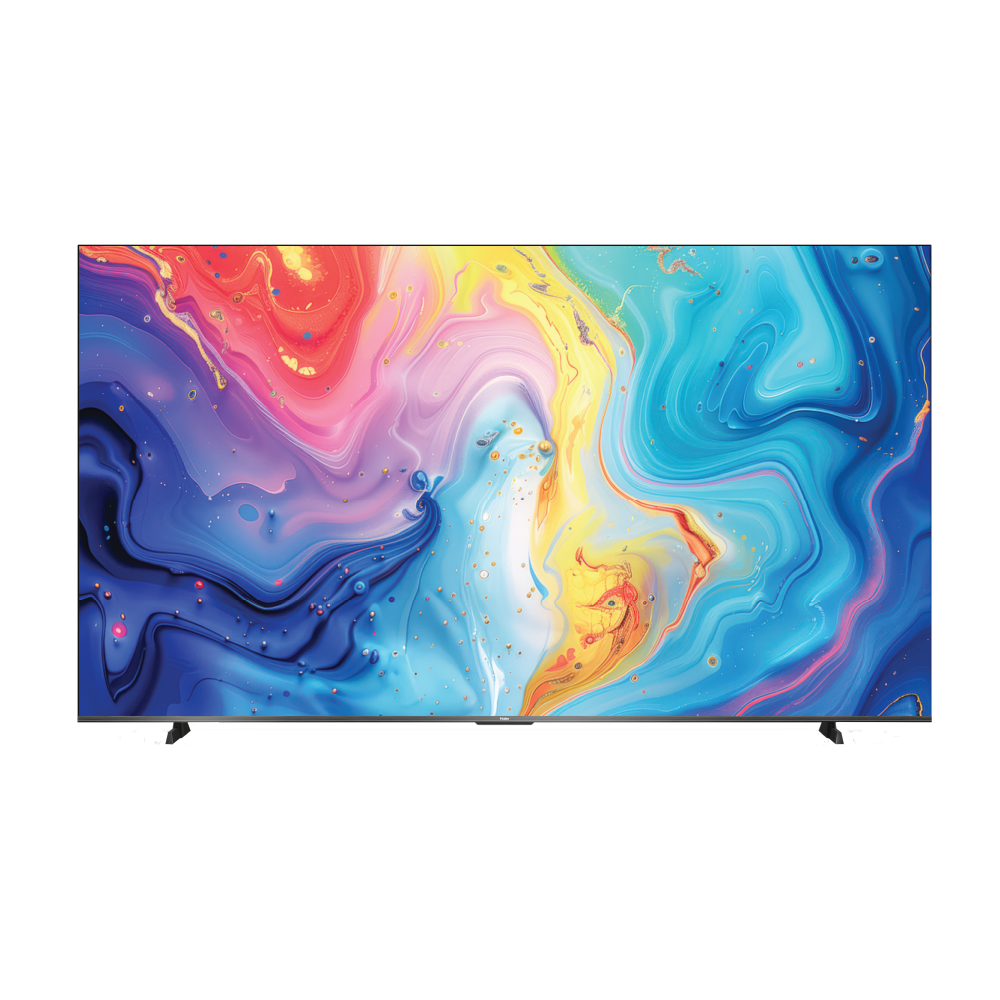
Haier S90 QLED 254cm(100) Google TV | AI Center Max
₹3,22,990 ₹40,196 Cash back
MRP (Incl. of all taxes) ₹6,43,990Save ₹50,196.

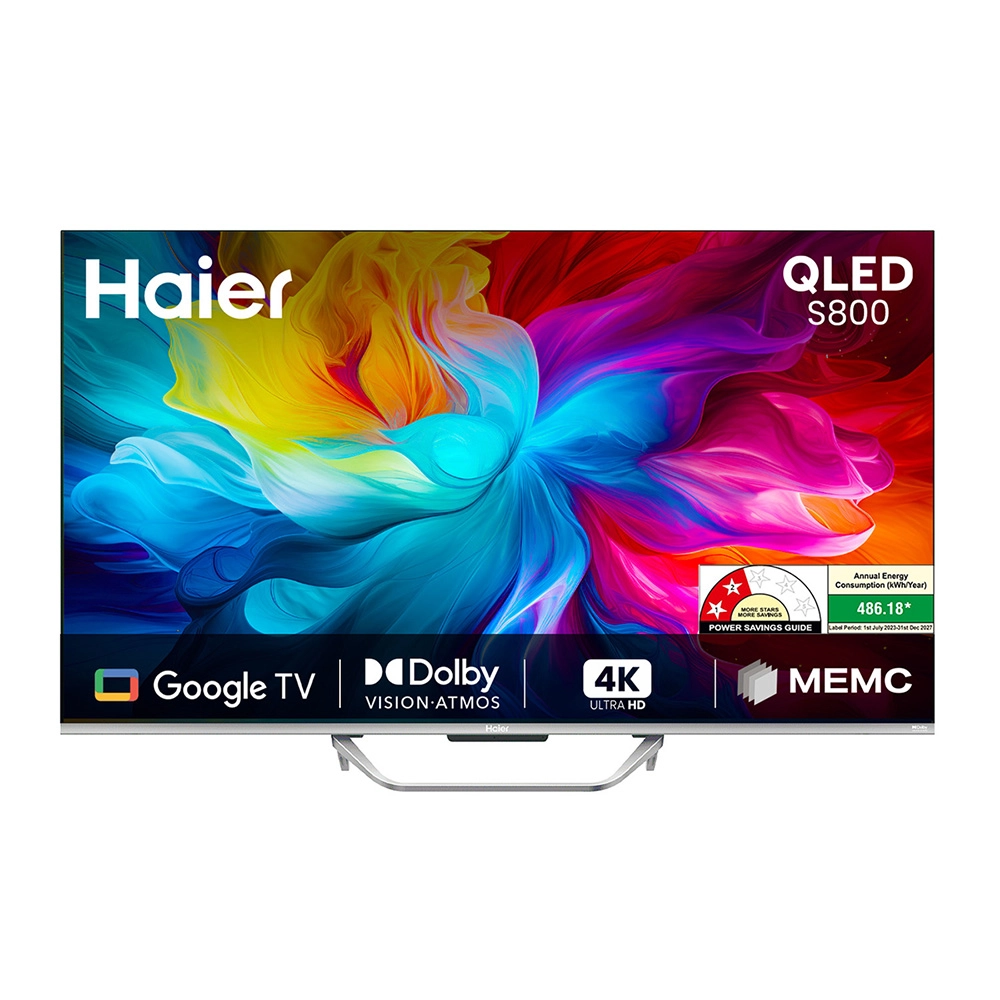
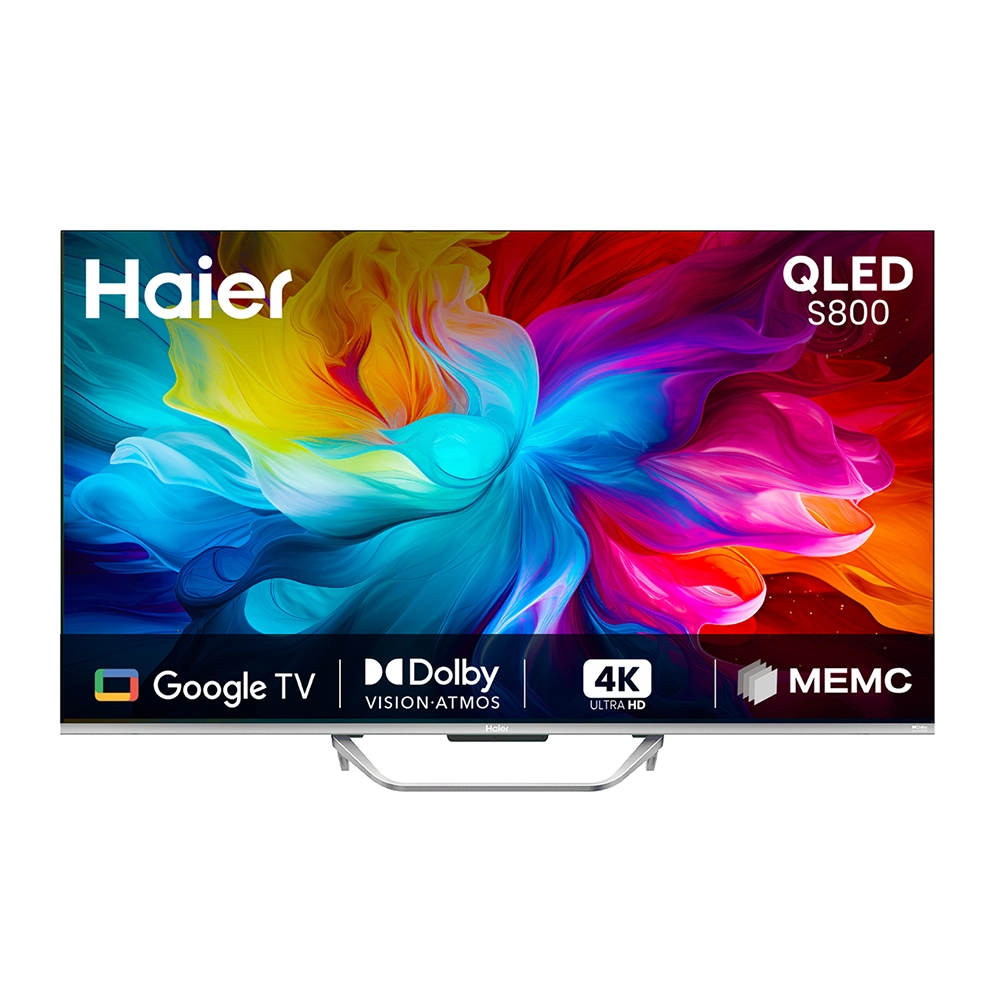
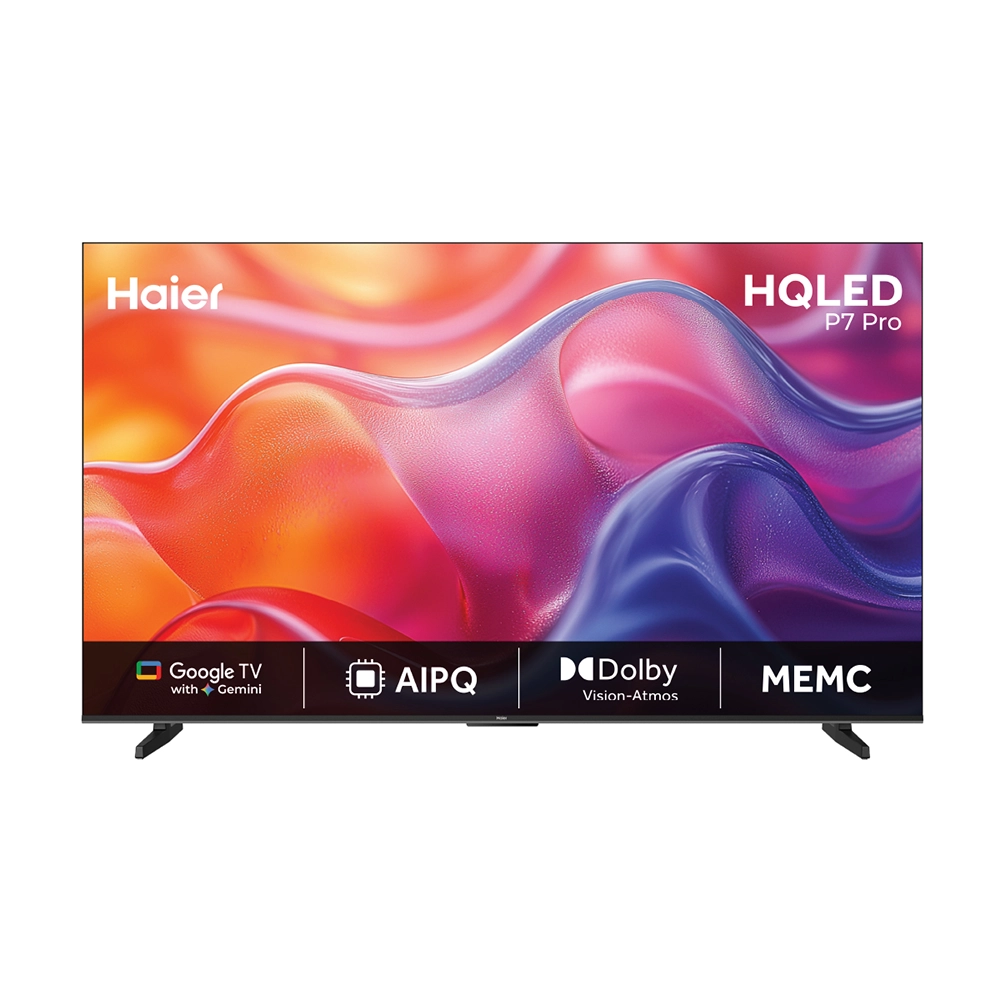
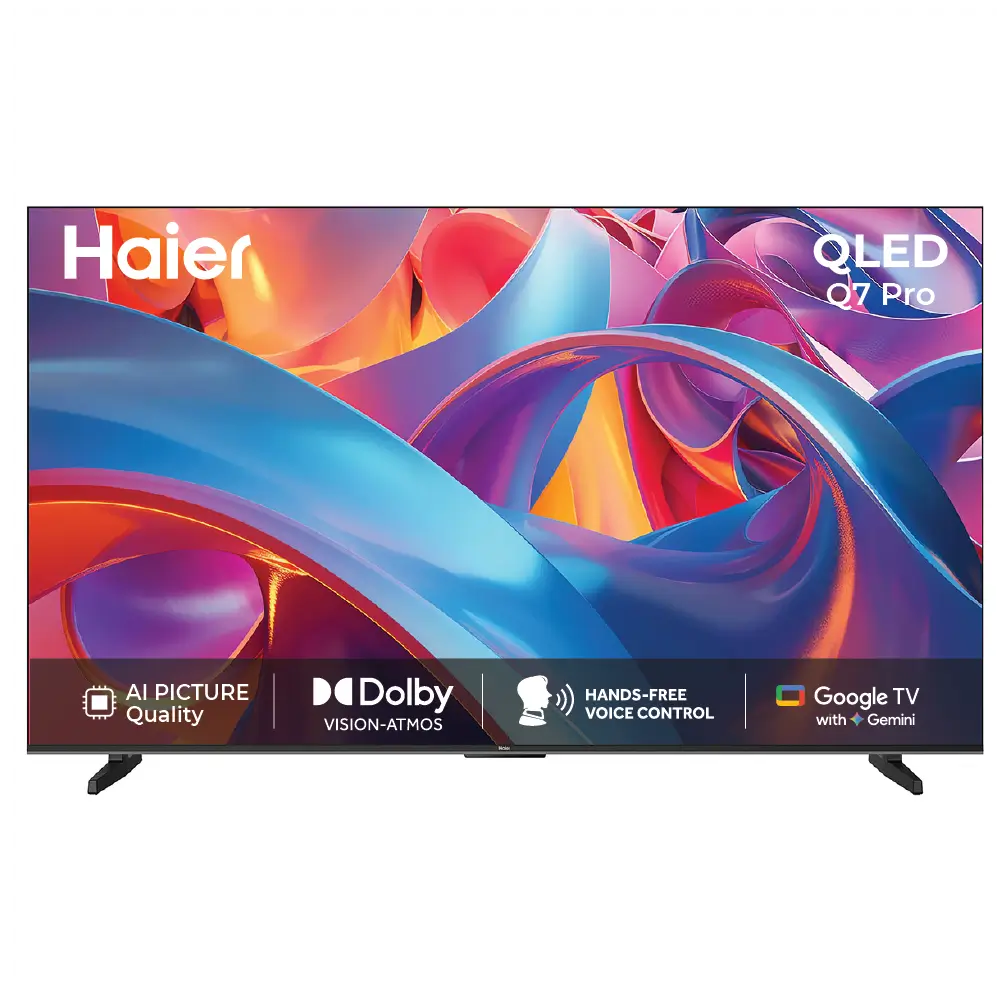

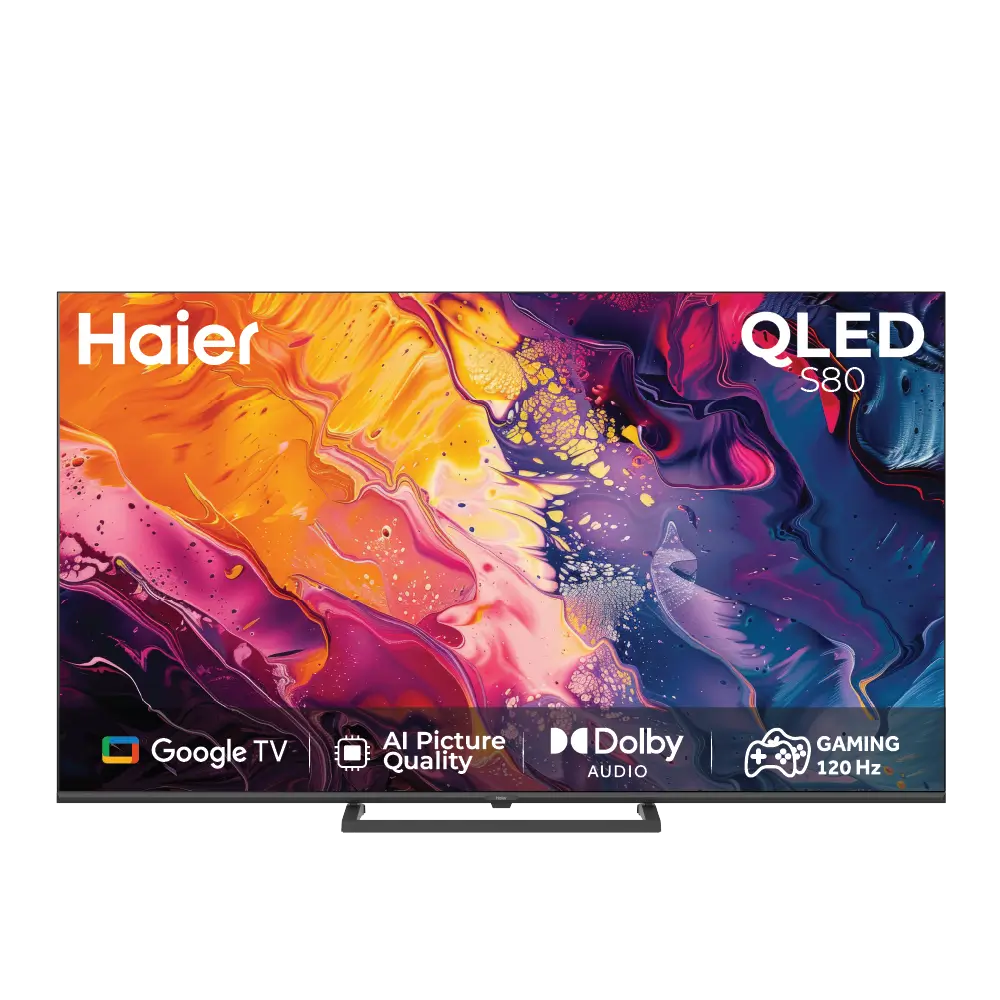
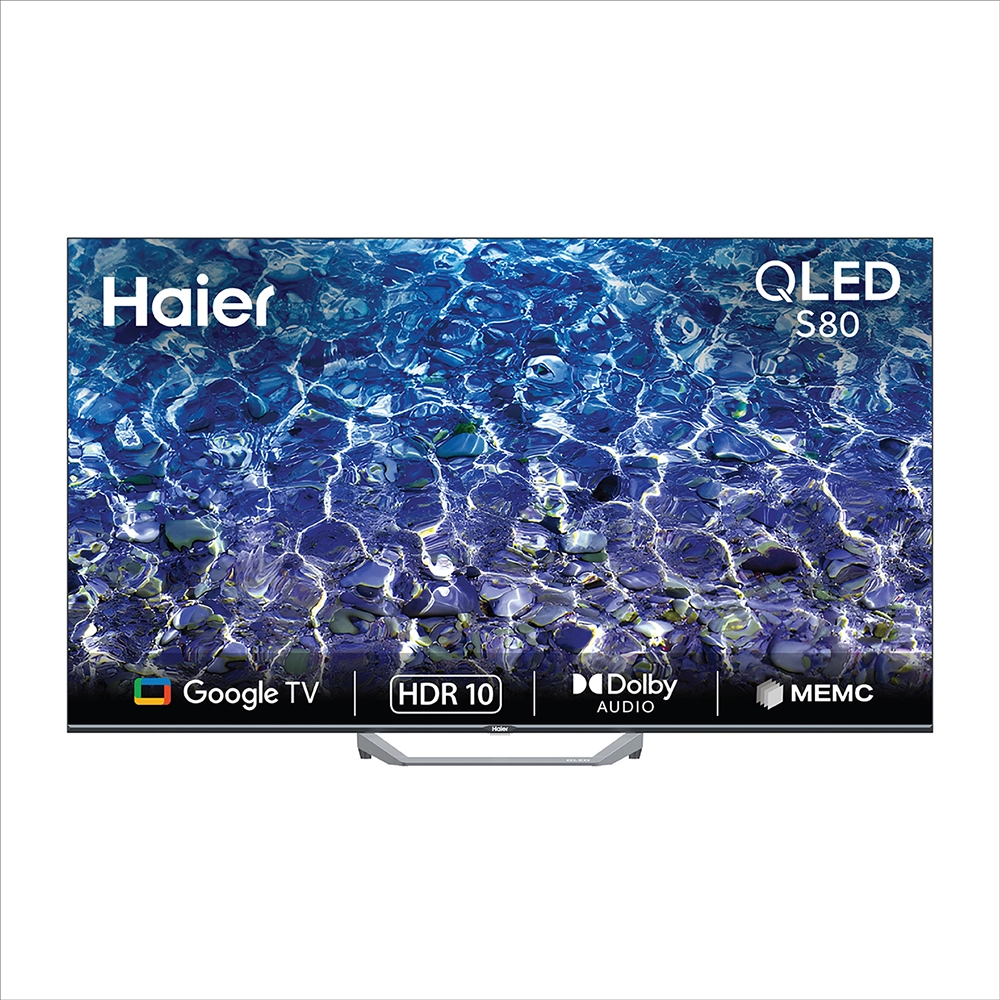
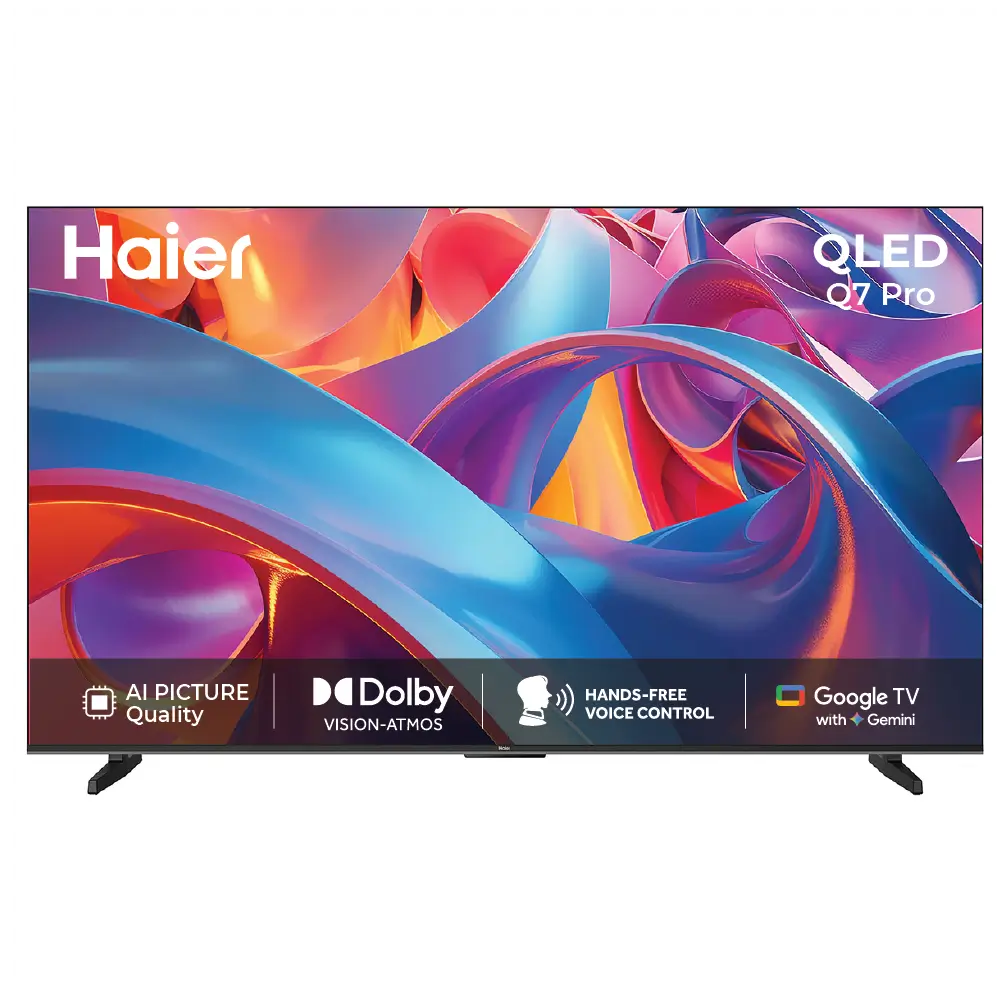
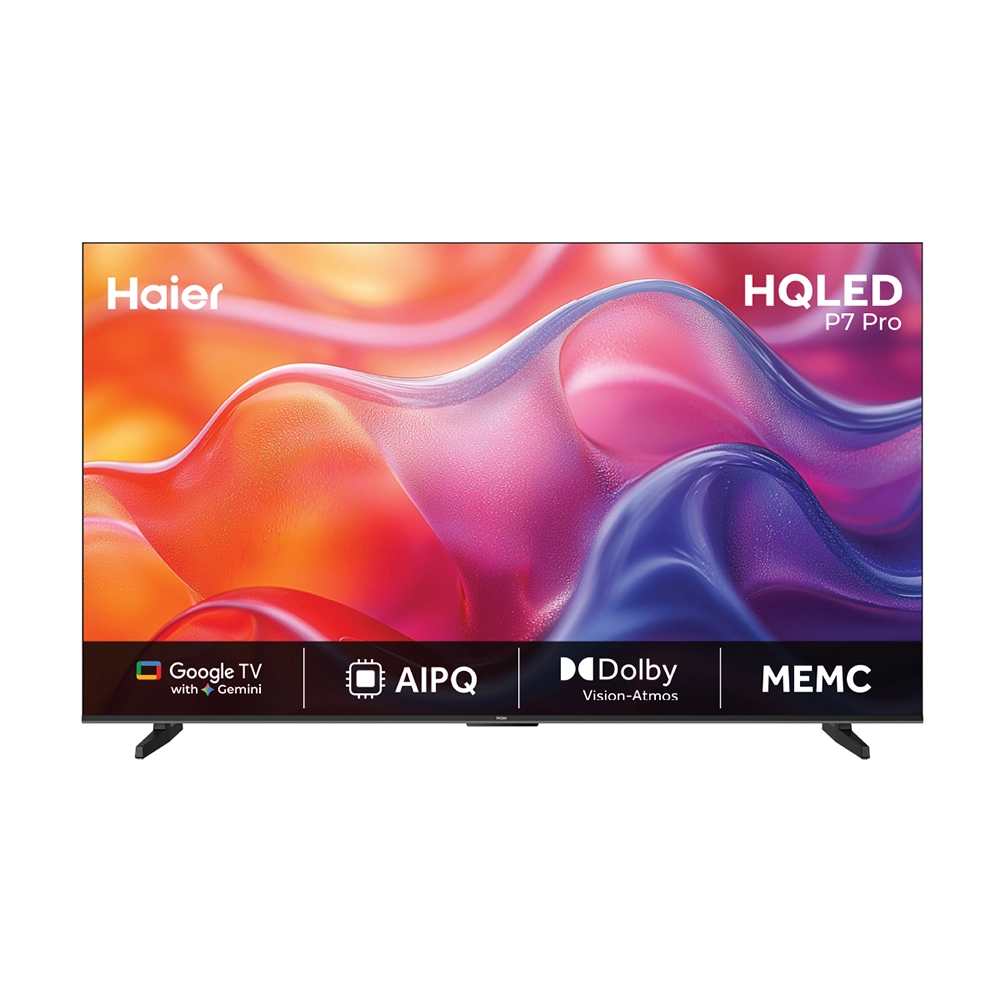
A QLED TV is an LED-backlit screen with a quantum dot layer added in front of the light. The dots refine colour, so the picture usually looks richer and brighter than on a standard LED TV. Both use an LCD panel and a backlight, so the basic build is similar. The quantum dot layer is the main difference.
They answer different questions. 4K is a resolution, while QLED and OLED are panel types, so one TV can be 4K and QLED together. Between the two panel types, OLED gives deeper blacks, and QLED usually gets brighter for daylight rooms. Choose by room lighting first, then check whether your screen size needs 4K.
It can show richer colour and handle bright rooms better, but the comparison is not clean. A normal 4K TV can be QLED too. If you mean a standard 4K LED set, a QLED panel of the same size usually looks more colourful. It often costs more as well, so compare prices and features side by side.
It is worth it if your room gets daylight, you stream or watch sports for long hours, and you want a large screen at a sensible price. If you mostly watch films in a dark room, OLED may suit you more. Check sound, smart features and warranty before you decide.
No single model suits everyone, so match the TV to your room. Haier lists QLED sets from 32 to 100 inches. A 32- or 43-inch Full HD model fits a bedroom, and a 55- or 65-inch 4K model fits a living room. The P7 Pro and Q7 Pro series add Dolby Vision and Atmos on selected sizes.
On Haier's shop page, 55-inch QLED TVs range from ₹48,490 to ₹55,490. The S80 models start at ₹48,490, the P7 Pro is ₹52,990, the Q7 Pro is ₹54,490, and the S800 is ₹55,490. Cashback, discount codes and EMI offers change often, so check the listing before you buy. These prices were listed in September 2026.
Shopping for a television now means sorting through LED, QLED, OLED, 4K, and more labels. QLED is common across most television shelves. It uses an LED-backlit screen with a quantum dot layer that improves colour and brightness. The result is more vivid picture quality, especially in rooms with plenty of daylight. It also gives viewers a brighter image than standard LED televisions, making details easier to see during daytime viewing.
Haier's QLED smart TV range covers 32-inch to 100-inch screens across the S80, S800, P7 Pro, Q7 Pro and S90 series. Every model on the page runs Google TV, and selected P7 Pro and Q7 Pro sizes add Gemini, Dolby Vision and Atmos. A QLED TV India search returns dozens of brands, so this page sticks to what Haier sells and what it costs. It also covers which size may suit your room, from a compact 32-inch to a QLED 55-inch for the living room.
QLED stands for Quantum Dot LED. The screen still uses an LED backlight, but a layer of tiny quantum dots is placed in front of it. Each dot glows in a set colour when the light hits it, which gives the panel purer reds, greens and blues to work with. Haier's product pages describe this as nanocrystal technology that delivers richer colour and brighter images.
A QLED TV changes a few things you will notice at home:
Colour: quantum dots widen the range of shades the screen can show
Brightness: the backlight can push highlights hard, which helps when sunlight falls on the screen
Contrast: blacks depend on the backlight, so they are less deep than on an OLED panel
Sizes: Haier lists QLED screens from 32 inches to 100 inches
Resolution is a separate matter. A QLED panel can be 4K or Full HD, and Haier sells both.
A standard LED TV lights an LCD panel from behind with LEDs. QLED vs LED comes down to one addition, the quantum dot layer. The build stays similar, but colour and brightness improve. That layer may add to the cost, so a QLED set can be priced above a plain LED set of the same size.
OLED pixels make their own light and can switch off completely, so blacks look deeper. A QLED screen relies on a backlight instead. That usually lets it reach higher brightness, which helps in daylight. QLED vs OLED is mostly a question about your room. Film nights in a dark room favour OLED. A bright living room with the TV on all day may favour QLED.
4K is a resolution of 3840 by 2160 pixels. QLED describes how the panel produces colour. So QLED vs 4K is not a fair fight, because one TV can be both. Haier's 55P7 Pro is a 4K QLED. The 32-inch S80G is a QLED with a Full HD panel. Pick the panel type first, then decide if your screen size needs 4K.
QLED TV price depends mostly on screen size, then on sound, processor and gaming features. Size drives the price more than any other spec.
Offers, cashback and EMI plans change these numbers, so check the current Haier QLED TVs before you buy. Most listings carry a 3-year warranty (1 year standard plus 2 years extended comprehensive), while the 85- and 100-inch models list 4 years.
The best QLED TV for you depends on room size, seating distance and what you watch most. Here is how five Haier models compare:
Model | Size | Resolution | Key features |
Haier S80G QLED (H32S80GFX) | 32" | Full HD | HDR10, Dolby Audio, 20W stereo |
Haier S80 QLED (H43S80GFX) | 43" | Full HD | HDR10, Dolby Audio |
Haier S80 QLED (H55S80FUX) | 55" | 4K | HDR10, Dolby Audio, Gaming 120Hz |
Haier P7 Pro HQLED (55P7 Pro) | 55" | 4K | Dolby Vision and Atmos, 50W 2.1 Ch with subwoofer, Gaming 120Hz, Gemini |
Haier S80G QLED (H65S80GUX) | 65" | 4K | HDR/HLG, Gaming 120Hz, Google Assistant voice control |
For a study or bedroom, the 32- and 43-inch Full HD models cost less and match the short viewing distance. A QLED 55-inch is where 4K starts to matter. The P7 Pro adds Dolby Vision, Atmos and a subwoofer over the S80. Move up to 65-inch if you sit further from the screen.
Resolution questions come up most for 32- and 43-inch sets, so here are the short answers.
No, it is not required. Many 32-inch sets are still HD Ready at 720p, and they play regular TV and streaming without trouble. Still, 1080p carries about 2 million pixels against roughly 0.9 million at 720p, so text, menus and app screens look cleaner. Is Full HD good for 32 inch? Yes, mostly because you sit close to a small screen and can see the difference.
Yes. A 1080p 32-inch TV is easy to find, and a 32-inch panel can be Full HD without any compromise. Haier's H32S80GFX is a QLED with a 1920 by 1080 panel. A Full HD TV is not automatically a smart TV, because resolution and smart features are separate things. This one has both, with Google TV, built-in Chromecast and a voice remote.
For most rooms, yes. At a normal sofa distance, a 43-inch Full HD picture looks sharp, and 4K needs a closer seat or 4K content to show its gain. Much cable TV still plays below 4K anyway. Haier's H43S80GFX is a 43-inch Full HD QLE, which costs less than the 43-inch S80 and S80G models listed at our website.
4K is better on paper. It has four times the pixels of Full HD, so fine detail holds up on larger screens. Whether you notice depends on screen size and distance. From 50 inch upward, 4K is usually worth the extra spend. Below 43 inches, Full HD is enough for most homes. Treat that as a rule of thumb, not a law.
Is QLED worth it? It can be, if your room gets daylight, you watch sports or streaming for hours, and you want a bigger screen at a sensible price. If most of your viewing is films in a dark room, an OLED may suit you better, because deep blacks are where OLED leads. Whichever way you lean, look past the panel label. Sound, processor, smart features and warranty shape daily use as much as the quantum dot layer does.
Want to learn how quantum dots produce colour and brightness? Read this blog: What is Quantum TV? QLED Technology Explained?