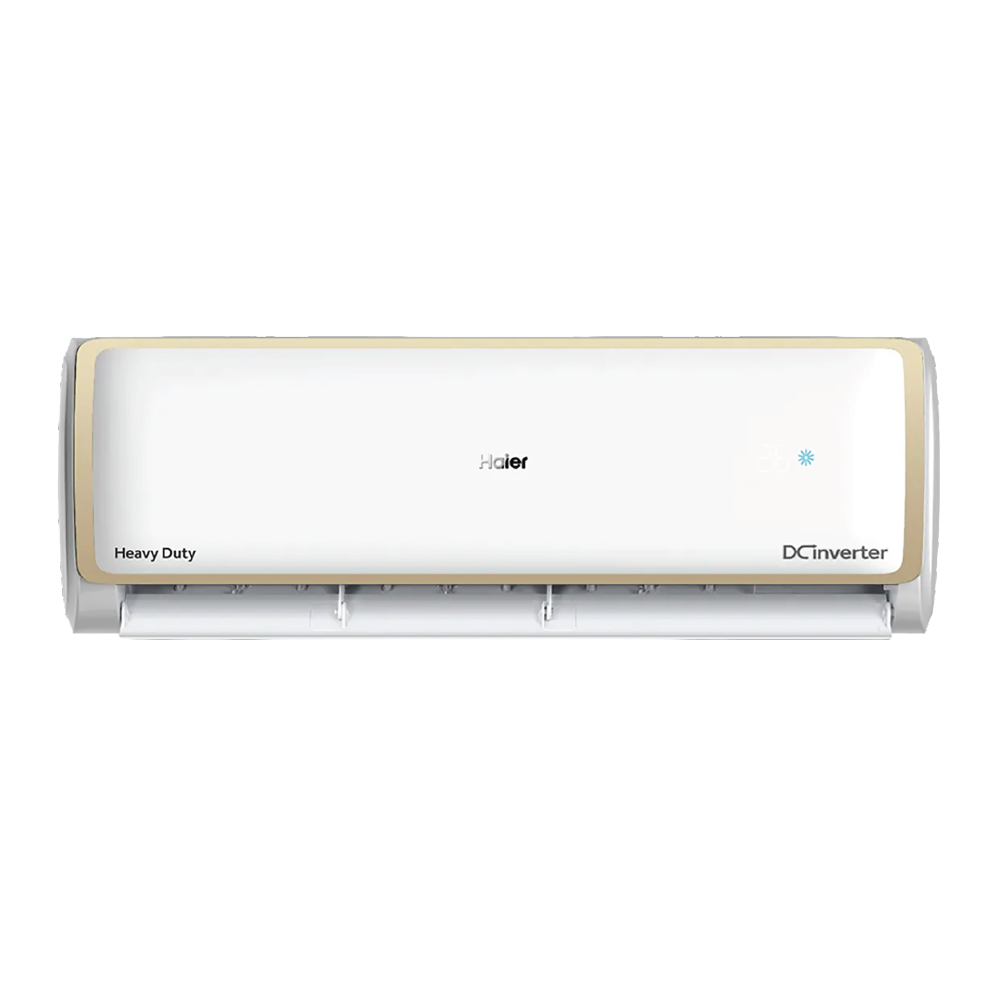
Haier ( ~ 1.5) 5 Star Elegante Series Heavy Duty AI Smart AC, 5.13KW
₹53,990
MRP (Incl. of all taxes) ₹83,800

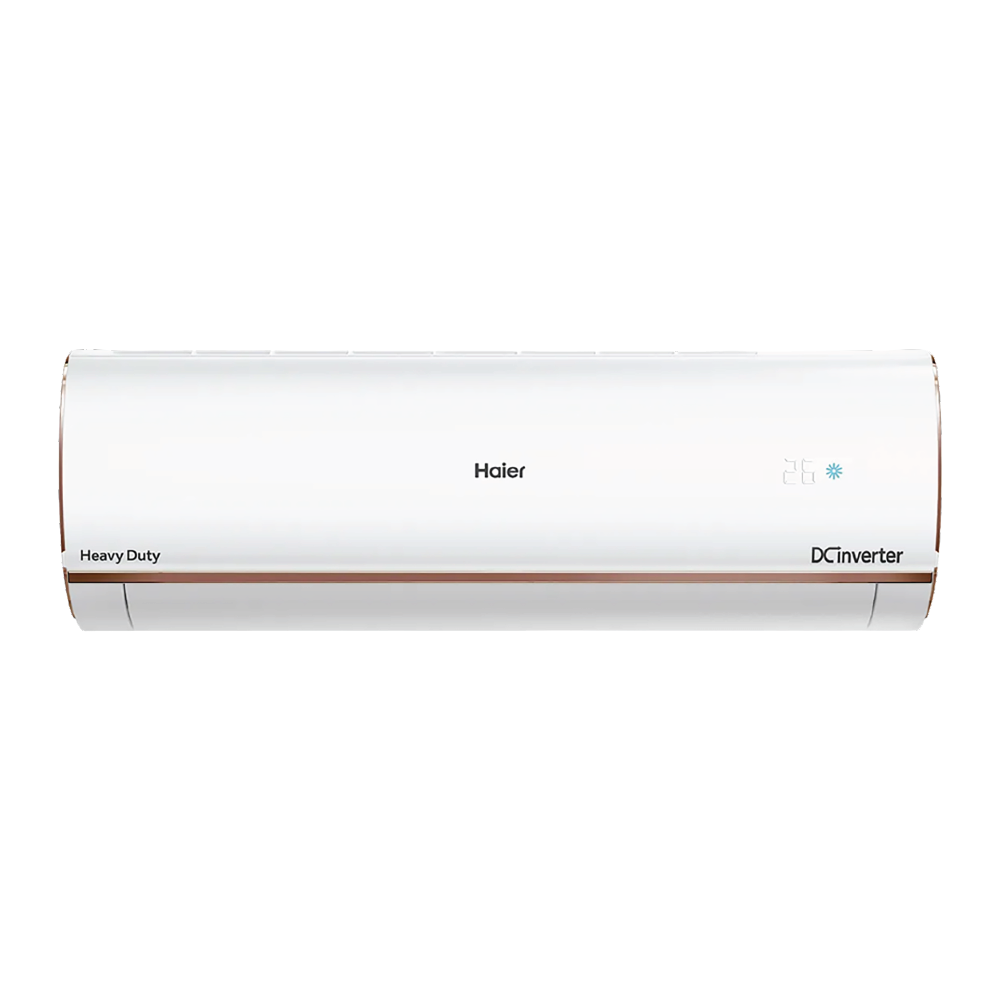
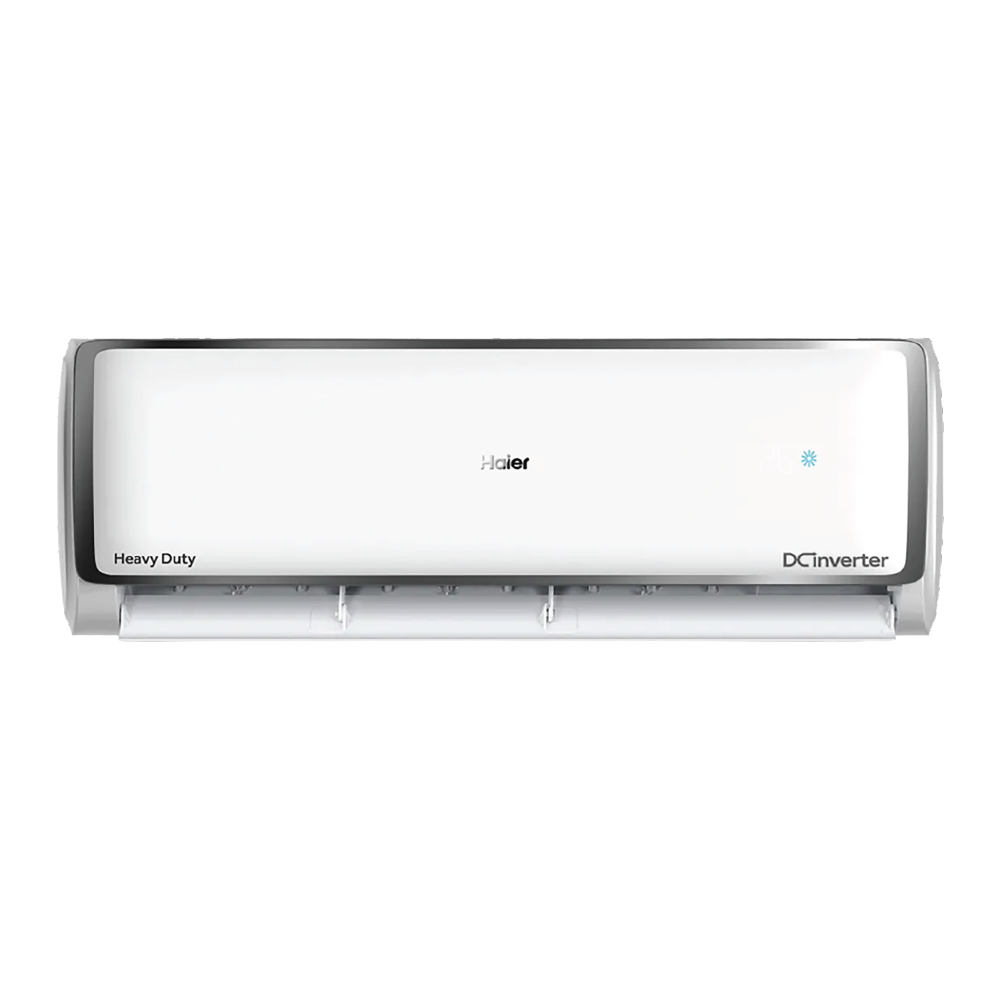
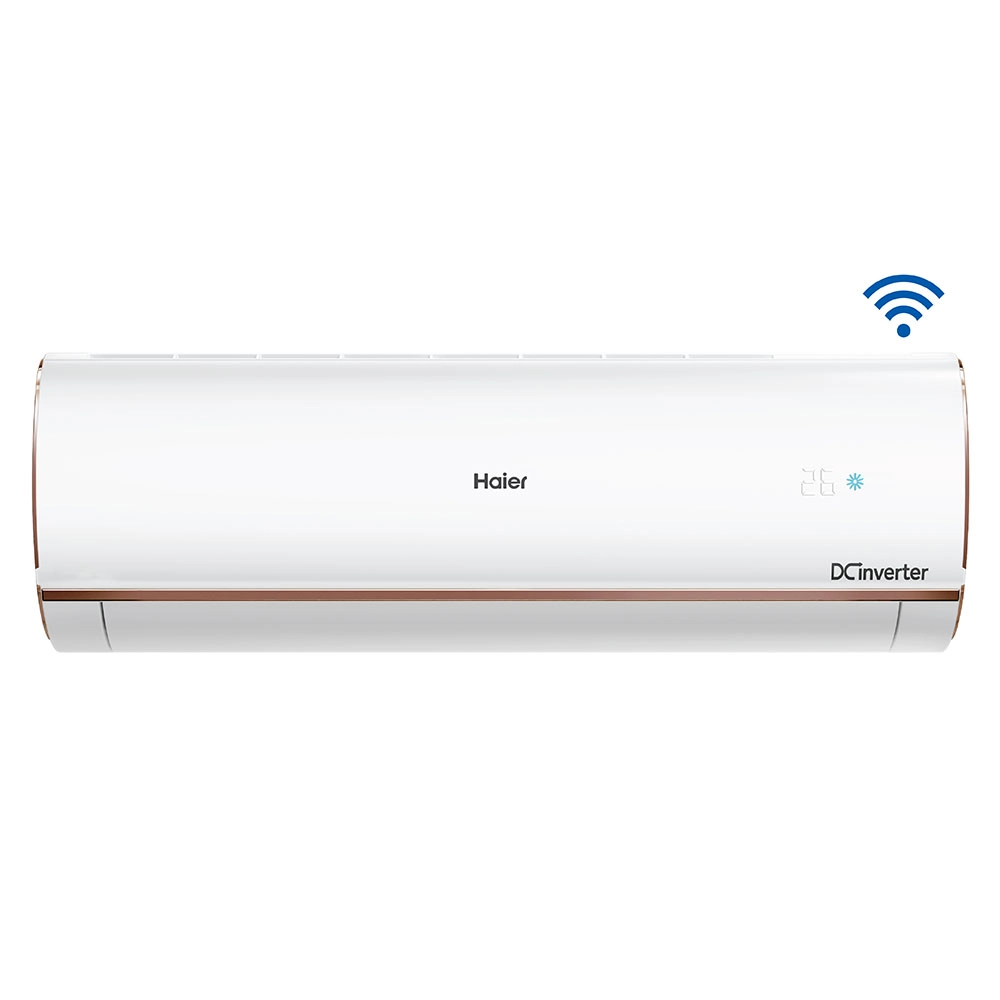
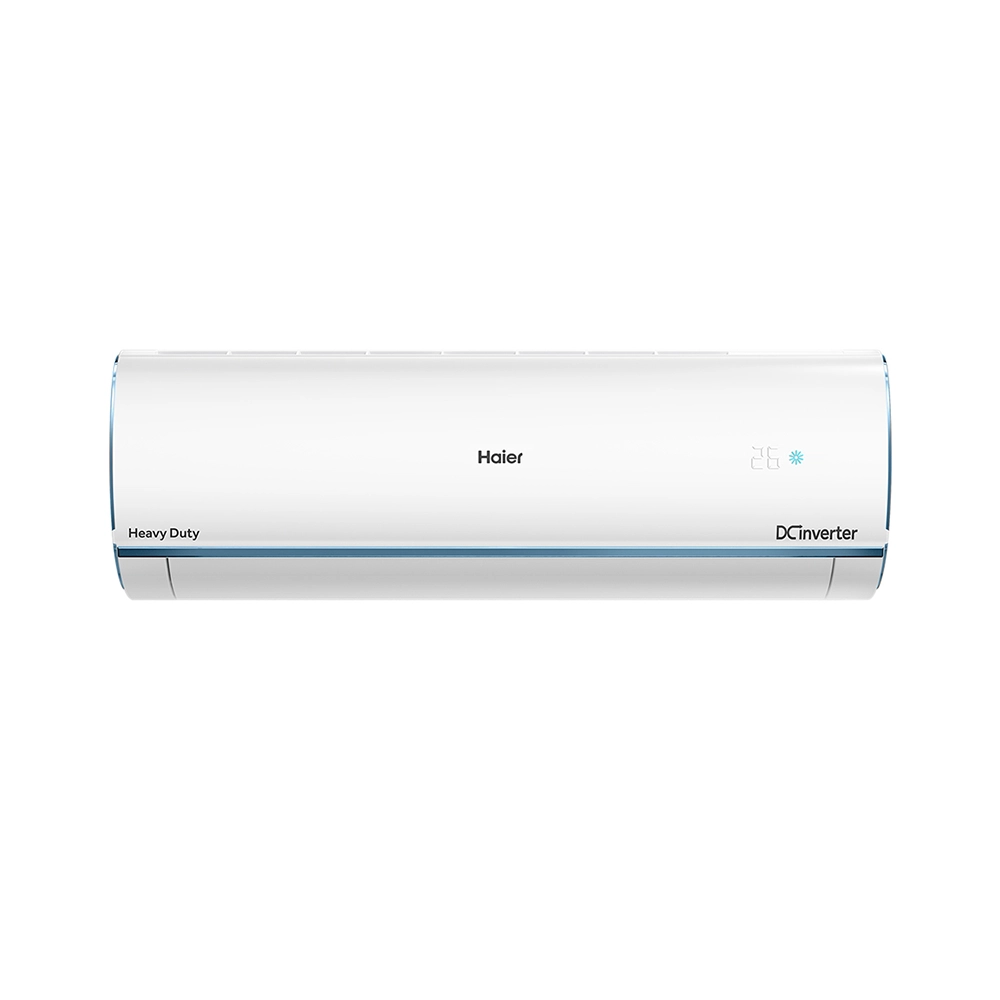
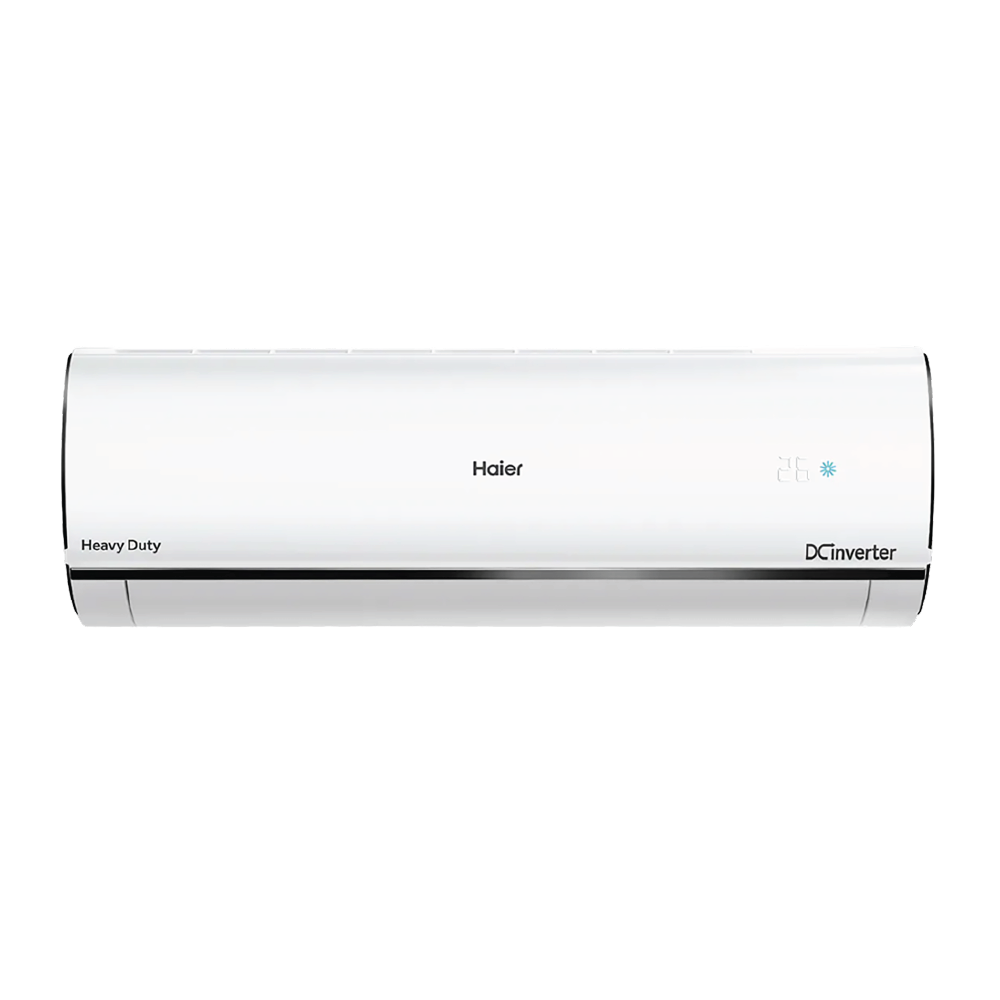
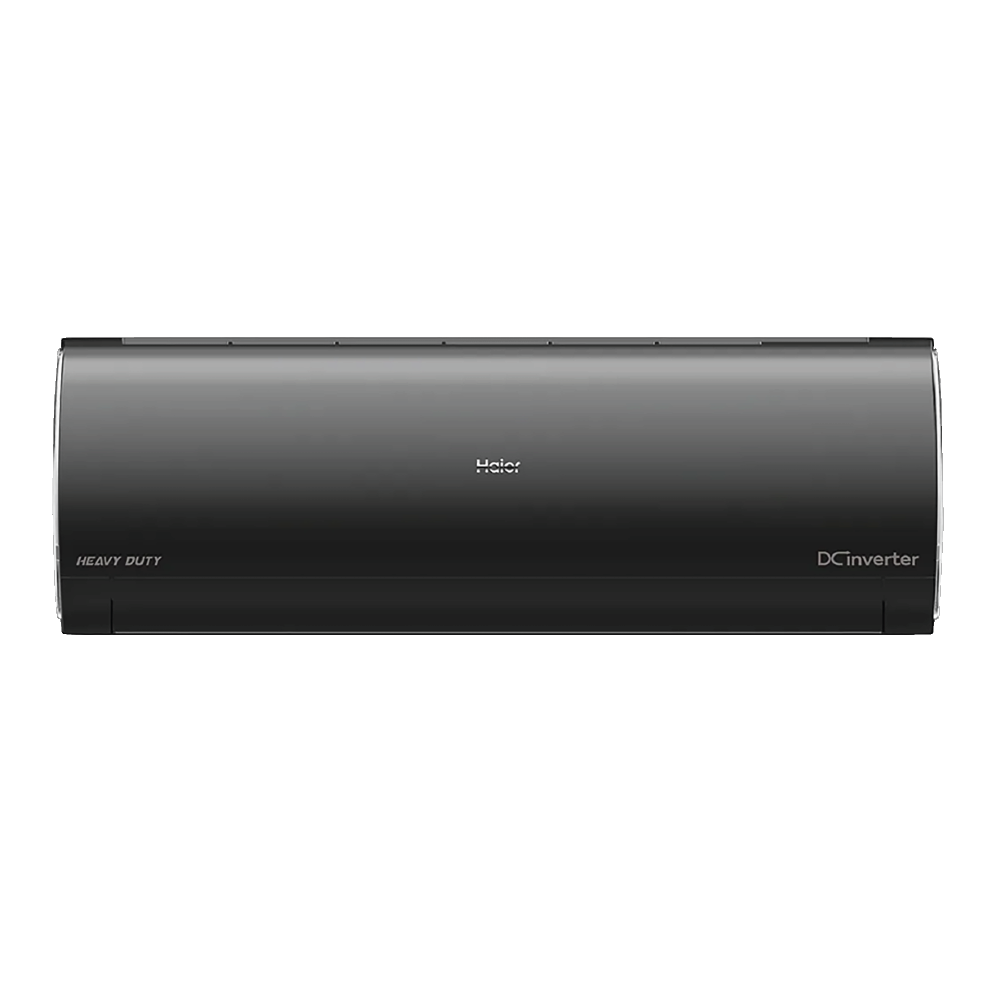
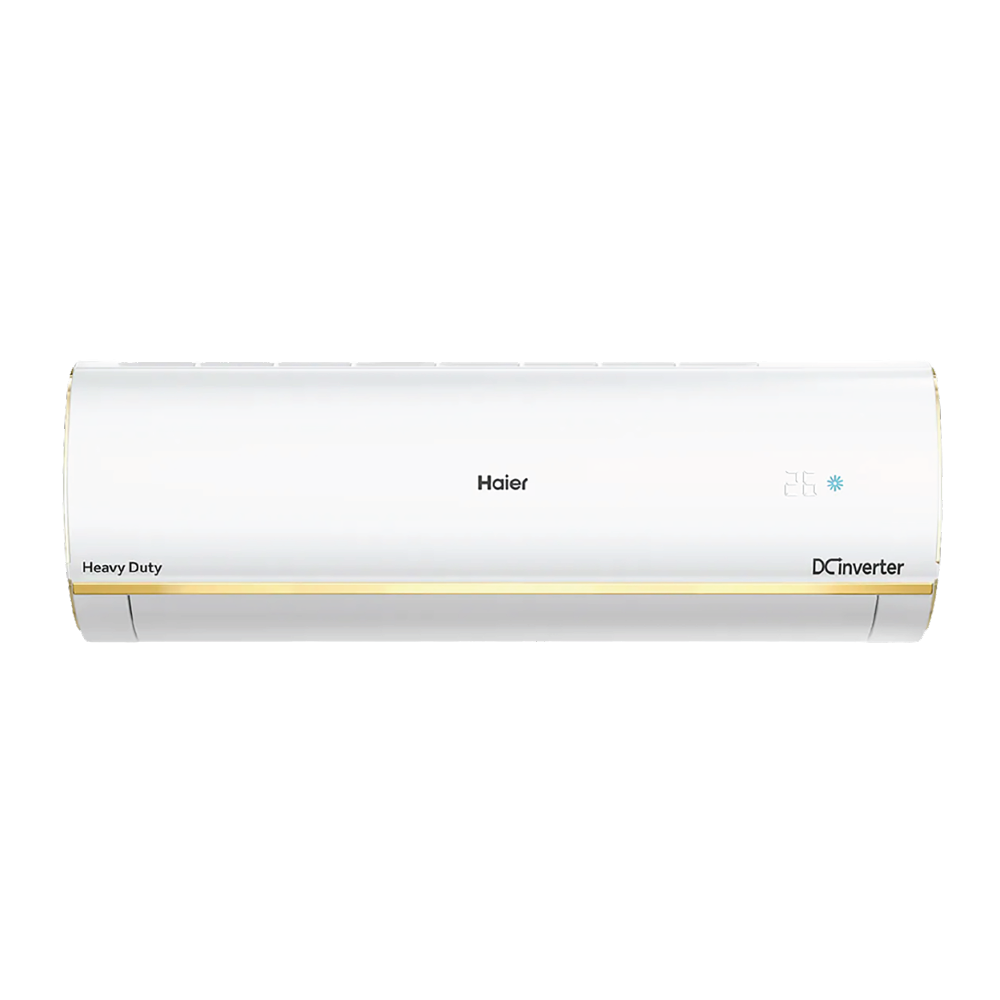
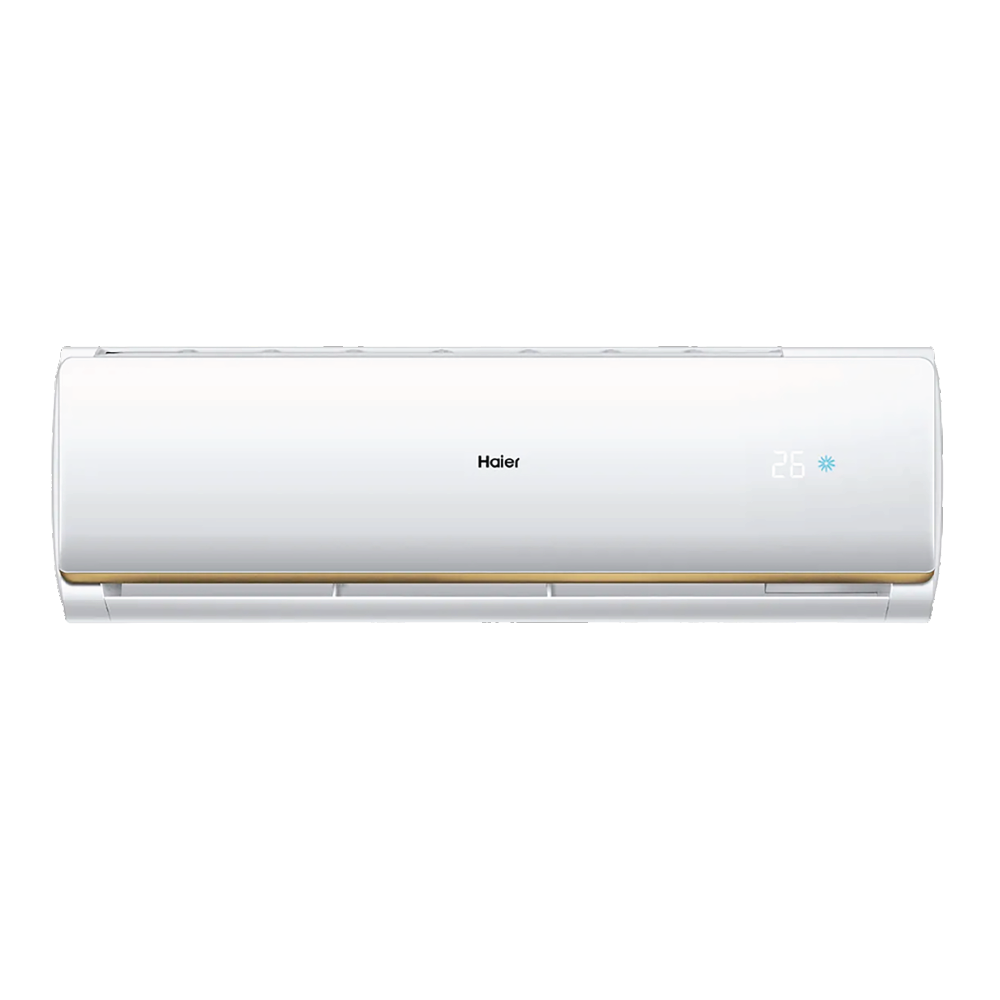
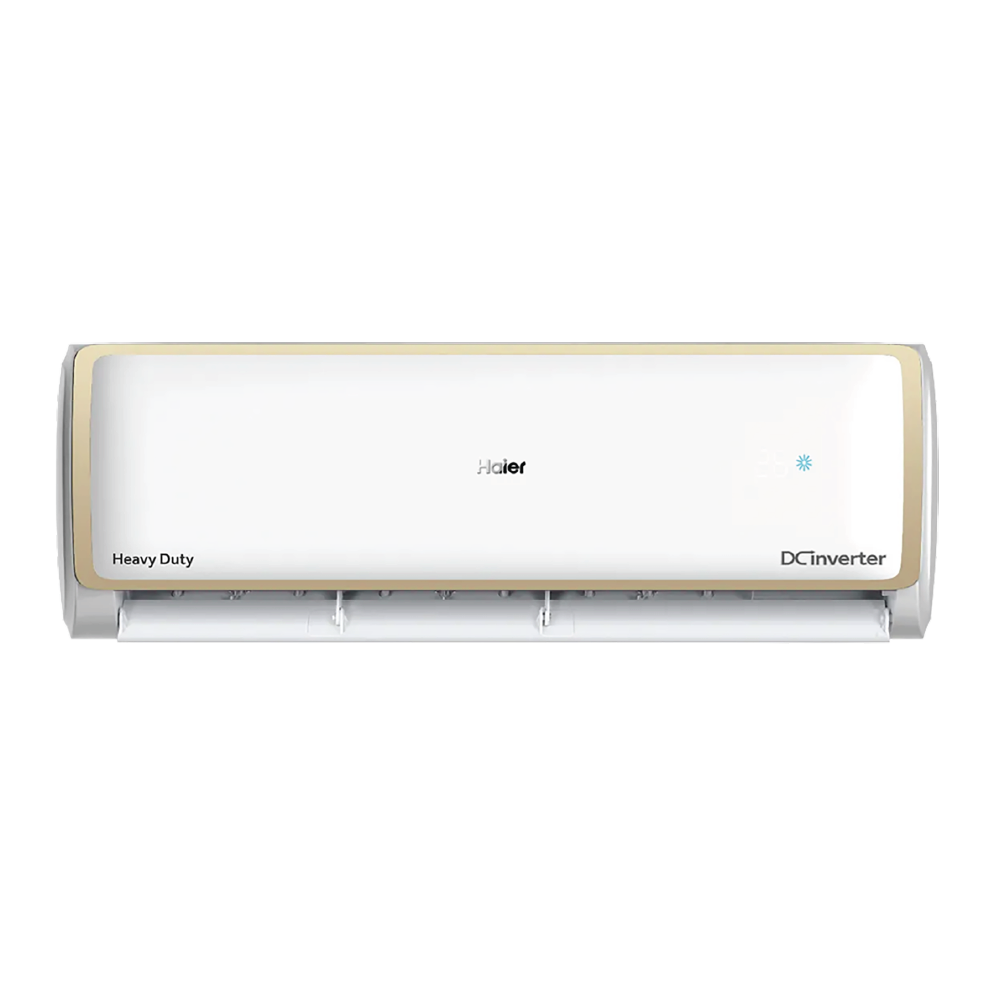
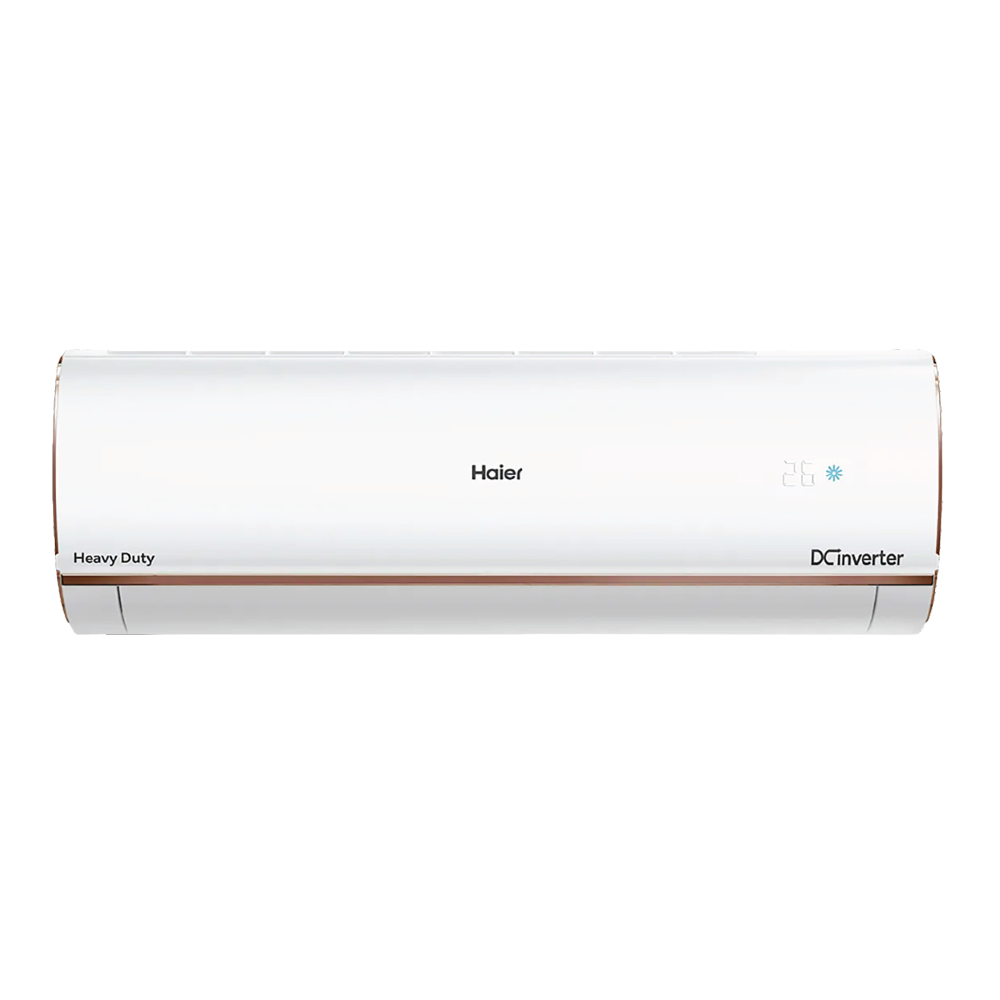
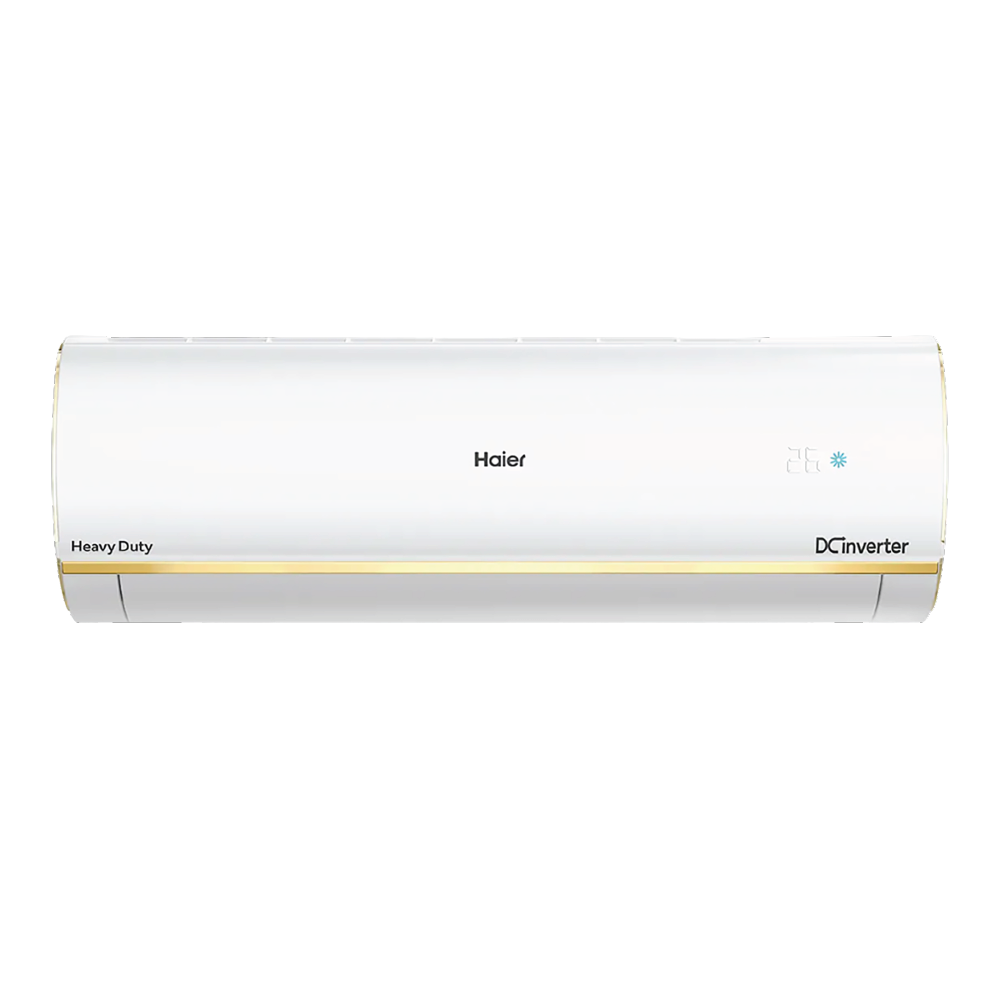
A split AC is made of two main units: the indoor unit for cooling and circulating air, and the outdoor unit, which contains the compressor and expels heat to the outdoors. The two units are connected by refrigerant piping, allowing the system to cool the room without placing the compressor inside.
The best split AC for your home depends on the room size, heat load, daily usage, energy rating and features you need. A good star rated Inverter AC of the right size is generally a sensible choice for normal household use.
Depends on room and installation requirements. Typically, a split AC offers more flexibility in terms of indoor placement and a quieter indoor experience as the compressor is housed outdoors. But a window AC uses a single small unit and can be easier if you have a good window opening.
Don’t choose by tonnage but compare on cooling capacity, star rating, ISEER, inverter technology, airflow, cleaning features and smart controls for a 1.5 ton split AC. Haier is now offering a few split inverter options in the 1.5-1.6 ton range, with 5-star models that include Frost Self Clean, Intelli Convertible modes, and smart features.
An inverter split AC modulates the compressor speed according to the cooling requirement, whereas a fixed-speed or a non-inverter AC generally operates on a repeated on-and-off cycle. That means it is better at maintaining the temperature where it should be and controlling the use of power when it is needed. Your reference footer makes the same distinction for adjustable and fixed compressor operation.
The cost of split ACs depends on the capacity, star rating, inverter technology and any additional features it may have. Electricity consumption depends also on the size of the room, its insulation, the temperature setting, the hours of operation and the efficiency rating. Haier has a wide range of capacities, star ratings and price points so the exact price and consumption will depend on the model you select.
It is usually better to buy a split AC which suits the cooling requirement and expected usage of the room. If you use it a lot you might want to consider features such as inverter technology, a higher energy rating, convertible cooling or self-cleaning.
A split AC usually has an indoor unit that is fixed on the wall and is connected to an outdoor compressor unit. Such types of ACs are generally used in bedrooms and living rooms. Tower ACs use a tall, stand-alone indoor unit, usually designed for rooms needing a higher airflow or wider air distribution. Haier offers Split and Tower AC to meet different room requirements.
A split AC makes a practical choice for bedrooms, living rooms and other everyday living spaces. The indoor unit is placed inside while the compressor is located outside . This way , the main operating components are kept away from the room and it allows more flexibility in installation .
If you’re comparing options for the best AC for home, capacity, energy efficiency and room conditions all matter. Even when you use the same type of air conditioner, a smaller bedroom and a larger living room may need very different cooling capacities.
For someone comparing different air-conditioning formats for the first time, What is split AC? A split air conditioner consists of two separate units connected by refrigerant piping. The indoor unit cools the air and blows it into the room, while the outdoor unit houses the compressor and expels the heat.
The indoor unit doesn’t have to be in a window opening, unlike a window AC. This gives homeowners more flexibility on where to place the AC especially in bedrooms, studies and living areas.
A split AC of 1 ton is good for smaller rooms that need to be cooled, but only to a moderate extent. But room size should not be the only thing to consider. Other factors that can affect the amount of cooling required are sunlight exposure, ceiling height, insulation, occupancy and number of heat producing appliances.
Medium-sized rooms or areas with higher heat load usually consider a 1.5 ton split AC. It is better to look into the overall conditions in which the AC will operate, rather than just deciding capacity based on the dimensions of the room.
An inverter split AC can vary the speed of its compressor depending on the cooling requirement. Instead of repeatedly operating at one fixed output, the compressor adjusts as the room gets closer to the selected temperature.
This can support steadier cooling and more controlled power use during longer periods of operation. Actual electricity consumption will still depend on factors such as temperature setting, room insulation, outdoor conditions and daily running hours.
Star ratings and ISEER values allow buyers to compare the energy performance of different models to understand which one will be more efficient, especially when an AC needs to run for several hours every day.
Cooling capacity is just as important. An over or undersized AC can be a comfort and overall efficiency issue. Convertible cooling modes can also be useful when the cooling demand varies during the day.
Other everyday factors are airflow, ease of cleaning, operating controls and maintenance features. This is also where a question Is split AC good or bad? becomes more practical to assess, because the answer depends on how well the system matches the room, usage pattern, installation conditions and features you actually need.
You'd be surprised how different two similar looking ACs can be in everyday use, and energy ratings are a big reason why. To get a proper understanding of that difference, it helps to compare not just efficiency, but also running hours, upfront cost and the way the AC is likely to be used through the season.
Points of comparison | 3 star split AC | 5 star split AC |
Energy performance | Offers a balanced level of efficiency for general household cooling | Provides higher energy efficiency under standard test conditions |
Running hours | Can work well where AC use is limited to a few hours at a time | Provides higher energy efficiency under standard test conditions |
Upfront investment | Costs less initially than a comparable 5 Star model | Comes at a higher purchase price because of the improved efficiency rating |
Effect on electricity bills | Power costs can add up more quickly with frequent or extended use | Better efficiency can help control electricity consumption over longer periods |
Best suited to | Users with moderate cooling needs and a stronger focus on initial budget | Users who expect regular usage and want to prioritise energy efficiency over time |
The main difference between a split AC and a window AC is the way the system is set up inside the room. That difference can impact installation, noise, space planning, and even how easy the unit is to live with on a day-to-day basis.
Points of comparison | Split AC | Window AC |
System layout | Has a separate indoor unit and outdoor compressor unit connected through piping | Keeps the cooling system and compressor together in one compact cabinet |
Installation space | Leaves the window area free and can offer more flexibility in choosing the indoor unit position | Needs a window or a dedicated wall opening of the right size |
Noise inside the room | Quieter indoors because the compressor operates outside the room | Can produce more noticeable sound indoors since the compressor is part of the same unit |
Upkeep and access | Servicing involve access to both the indoor and outdoor units | Most components are located together, so the unit is more self-contained |
Room suitability | Can work well where flexible placement, quieter operation and a cleaner wall-mounted setup are preferred | Can be practical for compact rooms where an appropriate installation opening is already available |
The differences in price become more evident when the models are compared on some other basis than the simple tonnage. Energy performance, cooling technology and convenience features all can set one option apart from another.
Capacity and star rating: The cooling capacity of the AC is a major factor in pricing. A 1 ton split AC and a 1.5 ton split AC are designed for different room requirements, while a higher star rating can also increase the upfront cost.
Compressor type and cooling control: An inverter split AC has the ability to adjust the compressor speed based on the room’s cooling needs. Models with convertible modes, more expansive airflow control or more advanced cooling functions could therefore be on a different price point.
Additional features and controls: Smart connectivity, energy monitoring, self-cleaning functions and automated modes can boost the feature set. And the more useful these functions are in everyday use, the easier it is to judge whether the extra cost is worth it.
Haier has different types of split Acs with different capacities for different room requirements, like around 1 ton and above. The range also comes with inverter and 5 star split AC options for buyers who want to strike a balance between cooling performance and energy-efficiency preferences.
And some Haier models come with Frost Self Clean, Intelli Convertible cooling modes, Supersonic Cooling and smart controls. Depending on the model, the available combination may be different, so it pays to compare specifications by room and expected use.
Selecting the right split AC depends upon correlating the capacity, energy efficiency and features with the room conditions. Even when both use split air conditioning, you may need a different setup for a smaller space than for a larger bedroom or living area.
So, with inverter technology, star rating, airflow, cleaning functions and smart controls, it can make the decision a little easier. Haier’s range of split ACs offers different combinations of capacities and feature sets. This allows buyers to choose an option that matches their cooling needs, usage pattern and budget.