





Your beloved shirt has just been put in the laundry basket and you need it for an outing later. It’s by no means a dirty job. You’ve been wearing it for several hours, maybe while you’re commuting to work or running errands for groceries. A full wash cycle doesn’t feel like it’s necessary, but not wearing it after washing doesn’t feel right either.
But only when the 20-minute quick wash feature comes in handy.
Though can a washing machine really thoroughly wash clothes in that short amount of time? Or does a quick wash just make them smell fresher but don’t remove much dirt?
Yes, a quick 20 minute wash can take clean lightly soiled garments using the right load size, amount of detergent and wash cycle time. But it’s not meant to take the place of a standard wash cycle for all your washables.
The trick to getting more from your washing machine is to understand the difference first and then reap the advantages without sacrificing care for the garment.
So What Exactly Does Happen in the 20-Minute Quick Wash?

Quick wash is a shorter washing machine programme that is designed for smaller washes that require relatively light cleaning.
A quick wash runs for a shorter period of time than a conventional wash or intensive cycle, as it is programmed to finish its cycles within a shorter period of time than that of a normal wash and intensive cycle spending a lot longer on washing and rinsing clothes.
This can be done in a washing machine by doing:
- A shorter main washing phase.
- Shorter time spent on some cycle stages.
- Lightly soiled garments – wash movements.
- Faster complete rinse and spin process.
The exact order of the sequence depends on machines.
A point of importance to note is that a 20 minute programme doesn’t always result in a 20 minute wash. The length of the wash time, as shown, typically includes wash, rinse and spin time in that programme.
Some machines may also modify the estimated duration based on the operating conditions.
The Big Question: How Dirty Are Your Clothes?
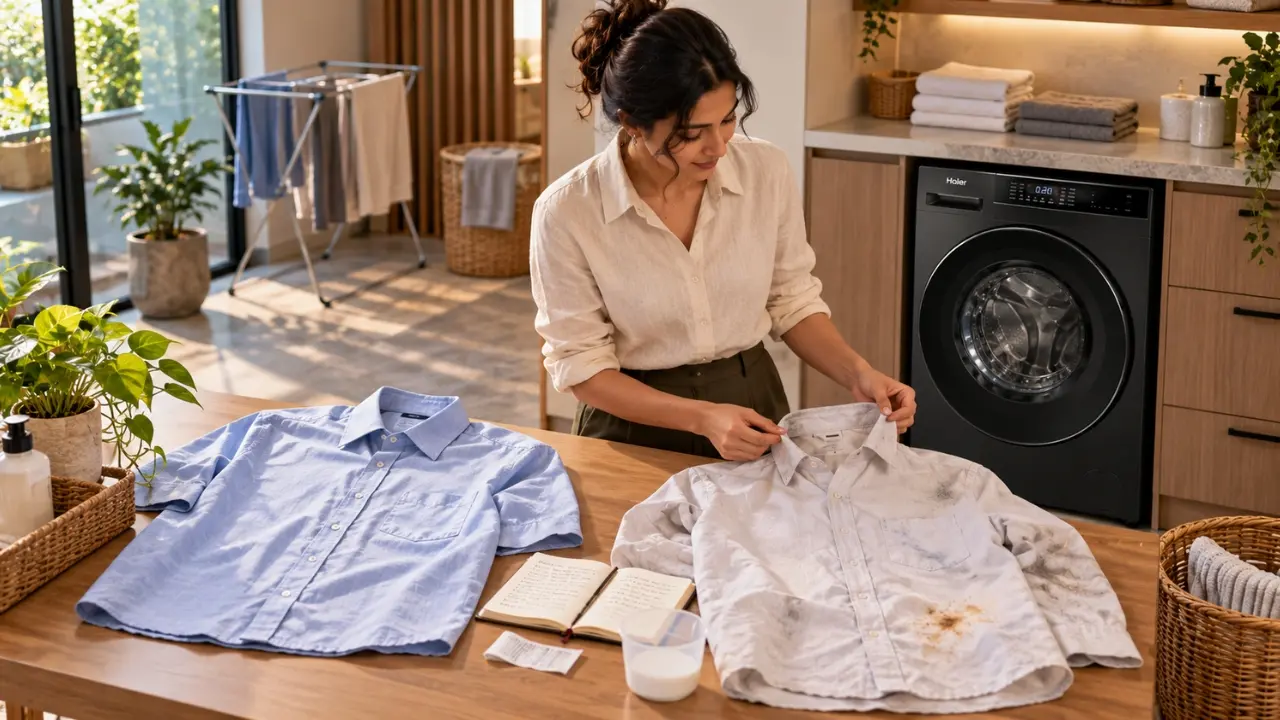
Consider two shirts.
One has been worn for 3 hours in an air conditioned office. The other has been collecting sweat, dust and pollution out in the Delhi heat for an entire afternoon.
Both are shirts. Both may appear to be fairly clean at a distance.
However, they require different amounts of washing.
If the clothing has only been worn for a short time and does not have significant amounts of dirt or stains, it is okay to give it a quick wash.
Typical Items for a Quick Wash
- Office wear: Shirts and pants that are shorter than to show staining.
- Casual clothing: T-shirts and tops that will require a light wash before re-use.
- Fewer perspirations or dirt in lightly worn cotton clothes: Ordinary clothing that has been worn very little, but with minimal perspiration/ dirt.
- Recently washed clothes: Clothes which have been washed recently and after minimal use and allowed to by their care label.
Articles of Clothing That Require More Thorough Cleaning
A short cycle is not well suited when you have to deal with:
- School uniform that has mud, food or ink marks on it.
- Huge amounts of body oils and sweat in gym wear.
- Towels that are grease or food stained.
- Very dirty bed sheets and pillowcases.
- Heavily worn out jeans or work clothes.
- Wet and soiled baby clothes (milk, food or other stains).
A regular, stain removal or hygiene programme may be more appropriate for these loads.
The difference is important because washing isn’t just about making something wet and turning it around. Dirt is removed by detergent action, mechanical movement, water temperature and washing time.
Does a Quick Wash Get Rid of Sweat, Stains and Odours?
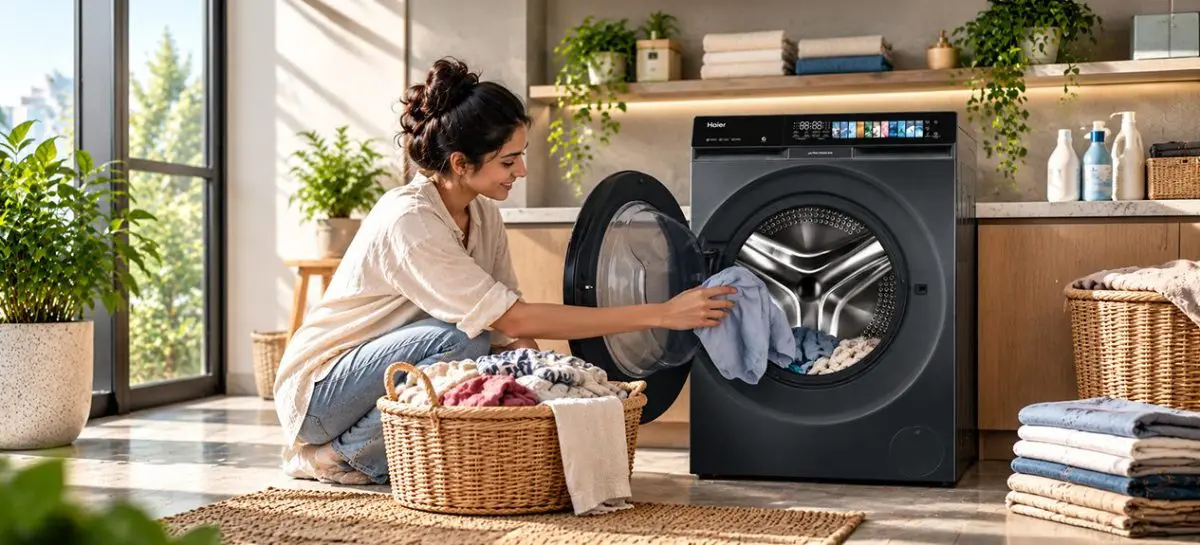
Not every dirt is the same and will not respond to a quick wash.
Light Sweat and Everyday Odours
That’s the reason for Light Sweat and Everyday Odours.
Lightly worn clothes can be washed quickly to get rid of light sweating and normal body odours.
Heavy soiled clothes or any clothes that have not stopped smelly after a workout, however, might need a longer cycle. This is especially important with sportswear and synthetic fabrics which can absorb body oils.
Food and Oil Stains
This is not the case with oil, gravy, turmeric and other stains.
A simple rinse will typically not solve the problem for anyone who has spilled curry on a light coloured shirt.
Depending on fabric and stain, these stains may require special pre-treatment and/or extended wash programme.
Surface Dirt and Dust (Day)
If you wash a quick cycle, there will be some loose dust that washes off.
However, garments that have come into contact with construction dust, excessive outdoor dirt or muddy environments require a deeper cleaner.
The general rule: if there is a significant amount of dirt visible, if there is a long-lasting smell, or if a stain is resistant to washing, don’t assume that it will simply wash away quickly.
Five Ways to Get Better Results From a Quick Wash
The following are a few helpful tips that will help you achieve better results from a quick wash:
It is not just getting the right programme, it is also making the right choice of programme. Preparing laundry is just as important of a step.
1. Keep the Load Small
One of the common errors is to overfill the drum as the washing machine has enough space to fit all these items.
Quick wash programmes usually have load limits below the maximum machine rated capacity.
If clothes are packed, they are not able to flow freely in water and detergent.
Don’t assume that a 8 kg machine can quickly wash 8 kg of clothes; refer to the model’s user manual for the allowed quick wash.
2. Use the Right Amount of Detergent
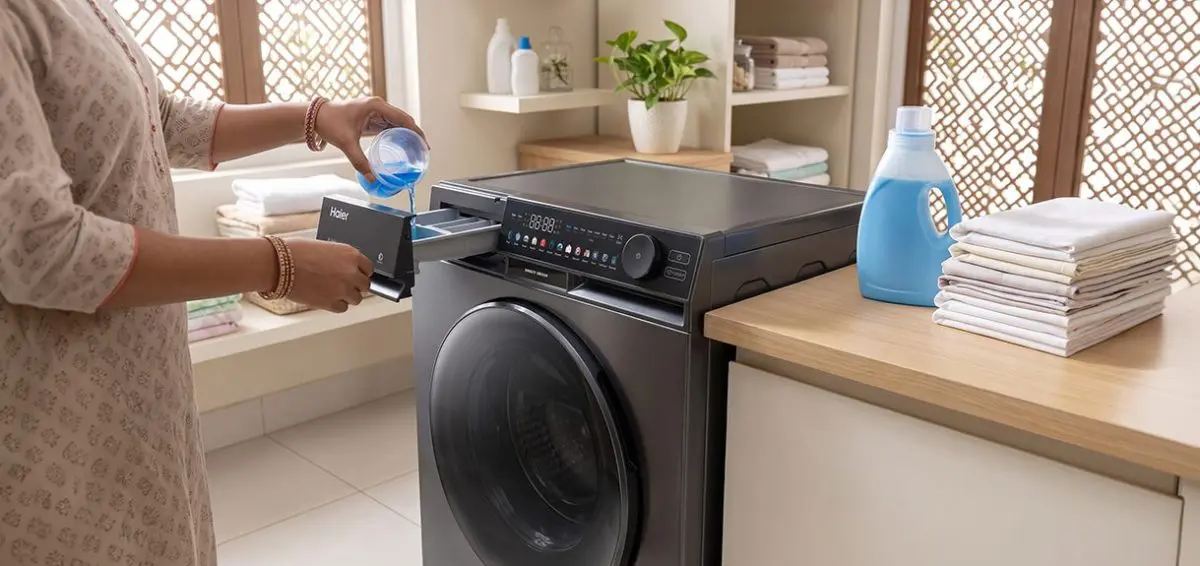
There is no direct correlation between the amount of detergent used and the amount of cleanliness produced.
For a shorter cycle, it might be more difficult to remove the detergent, which could cause a film to form on clothes.
Follow the detergent instructions for the proper amount for machine type, load size, soil and water conditions.
3. Separate Clothes Properly
Sorting is important even if washing just a few pieces of clothing.
Separate dark and light colours when there’s a risk of colour transfer. It is important to wash delicate fabrics as indicated on their label.
A quick wash will not stop colour bleeding or damage to fabrics by inappropriate washing conditions.
4. Wash Before Treating Visible Stains
For small food stains, use a suitable stain treatment prior to starting the cycle.
Follow the instructions on the label and try something new in an inconspicuous location.
Pre-treatment may help increase the chances of removal of a stain, but will not always help the more persistent stains, which may take longer treatment.
5. Remove Clothes Promptly
Washing will not save much real time if the clothes are left wet in the drum for hours afterwards.
Take them out after the programme has ended and dry them as necessary.
This will prevent the formation of damp, unpleasant odours.
Does Quick Wash Outperform a “Normal” Wash?
Both programmes are not better per se. They are useful when the laundry is involved.
| Washing factor | Quick wash | Normal wash |
| Best suited for | Lightly soiled loads that are small in size. | Regular everyday laundry |
| Cycle duration | Shorter | Usually longer |
| Heavy stains | Generally less suitable | By using the right program, more suitable |
| Load capacity | Often restricted | Relies on the capacity of the programme and the machine |
| The amount of water and energy consumed. | Changes based on machine and settings | Can change with the machine and settings |
| Deep cleaning needs | ADA most commonly excludes this option. This is not a favorite choice for ADA. | When washing items that need a complete cleaning, appropriate cycles will provide a more complete wash. |
It’s not always the case that a shorter cycle will be the most energy efficient either. Consumption is influenced by water usage, heating and load size and programme design.
The best way to do this is to take the sensible route and pick the programme that corresponds to the clothes, and not just the shortest one you can find.
Why Haier Washing Machines Are More Conducive to Everyday Laundry
When you have a washing machine that has programmes for items that require special treatment, it can be more useful to wash them quickly.
Haier India’s front load washing machine range comprises models that are tailored for various laundry needs and are equipped with unique wash programmes and features to facilitate routine laundry care.
These are three models that should be looked into: Haier F3 8 kg, Haier F5 9 kg and 10 kg front load washing machine.
Haier F3 8 kg Front Load Washing Machine: Smart Washing in 1 Touch
Haier F3 8 kg Front Load Washing Machine (EFL80-IM12F3BKU1) is an interesting blend of hassle-free washing cycles and intelligent controls.
It also has an AI One Touch function that automatically detects the type of fabric, load and dirt to choose appropriate wash settings.
The machine also comes with:
- Quick Wash: An extra scheme for appropriate shorter washing needs.
- Stain Wash: This is an option for garments that must have extra stain cleaning.
- Hygienic Care: Special laundry service programme related to hygiene.
- 525 mm Super Drum: Designed to improve fabric movement and garment care.
- Smart LED Display: enables choosing programmes and checking the cycler status.
This model has an 8 kg rated capacity, making it a choice for a front-loading machine with multiple wash cycles.
Haier F5 9 kg Front Load Washing Machine: Smart Controls With More Capacity
The 9 kg Haier F5 Front Load Washing Machine (HW90-IM14F5BKU1) is also a great choice for families who wash large quantities of laundry.
It has 14 listed wash programmes, such as Quick, Cotton, Hygiene, Baby Care, Delicate and Eco.
Notable features include:
- Optimisation of the wash-cycle setting with AI Wash technology.
- A full color touch display for programme selection.
- A drum for better fabric movement, 525 mm in diameter.
- Connectivity for supported remote laundry controls.
- An efficient inverter motor which operates at a lower noise level.
This isn’t just a fast programme. It’s offering a variety of washing options when needs evolve.
The same cleaning method cannot be applied to a lightly worn shirt and a heavily soiled pair of jeans.
Haier F5 10 kg Front Load Washing Machine: For Larger Laundry Requirements
Haier F5 10 kg Front Load Washing Machine (HW100-IM14F5BKU1) is equipped with a full-colour touch display, Wi-Fi connectivity, a higher rated capacity but still with features like AI Wash and Quick Wash.
The drum is 525 mm in size and complements the available washing programmes with an inverter motor.
This is a model that might be suitable for larger families who often have large laundry loads and also wish to be able to do small loads when it’s appropriate.
Importantly, all three Haier models advertise a Quick Wash programme but there are no specifications supplied that this is for 20 minutes. The duration and instructions of the chosen model should be checked by users.
When Is the “Quick Wash” Setting Not Suitable?
Sometimes, it’s better to go for a longer programme.
Don’t use quick wash when:
- Stains are noticeable and hard-to-remove.
- Laundry is very dirty.
- Clothing should be washed in a certain way to ensure hygiene.
- The load is greater than the recommended load of the programme.
- Detailed fabric care instructions call for a different washing method.
Also, quick wash should not be used as sanitisation/disinfection wash. The goals of cleaning lightly soiled items from achieving a set level of microbial reduction are different.
If the garment care label or machine instructions state that the material needs to be washed in a particular programme, take the time to choose that one.
Include the Laundry in the Washing Cycle, Rather Than the Other Way Around
A 20-minute fast wash can be very helpful. Can deal with appropriate lightly soiled garments without a complete programme.
It’s a short wash, so don’t rely on it to eliminate all stains or wash heavily soiled clothes or garments or get the same results you’d get with a dedicated hygiene cycle.
The better way is to figure out what the load is first and then select the programme.
The washing machines by Haier India allow the flexibility to handle various laundry demands in a proper manner with Quick Wash, AI Wash and dedicated fabric-care programmes along with selected models.
Browse through Haier India front load washing machine collection and discover the washing machine that matches the requirement of your household, your washing needs and your daily schedule.
Frequently Asked Questions
1. Is a 20-minute quick wash enough to clean clothes?
Yes, it can clean small loads of lightly soiled clothes when used according to the washing machine’s instructions. Heavily stained or particularly dirty garments usually need a more thorough programme.
2. Can I wash jeans using a 20-minute quick wash?
Lightly worn jeans may be suitable if the machine’s quick wash programme and garment care label permit it. However, heavily soiled denim is better washed using an appropriate regular or dedicated jeans programme.
3. Does quick wash use less electricity than normal wash?
Not necessarily. Energy consumption depends on the washing machine, programme settings, water temperature and load size. A shorter cycle does not automatically guarantee lower electricity consumption.
4. Can quick wash remove sweat smell from clothes?
It may remove mild perspiration odours from lightly worn clothes. Persistent sweat smells, especially in sportswear, may require a longer wash and suitable detergent.
5. Do Haier washing machines have a quick wash option?
Yes, the Haier F3 8 kg, F5 9 kg and F5 10 kg front load models discussed here list a Quick Wash programme. The exact cycle duration should be checked for the individual model.
6. Can I use quick wash every day?
Yes, provided the garments are suitable for the programme and you follow the recommended load and detergent instructions. For heavily soiled laundry, choose a more appropriate washing cycle instead.