
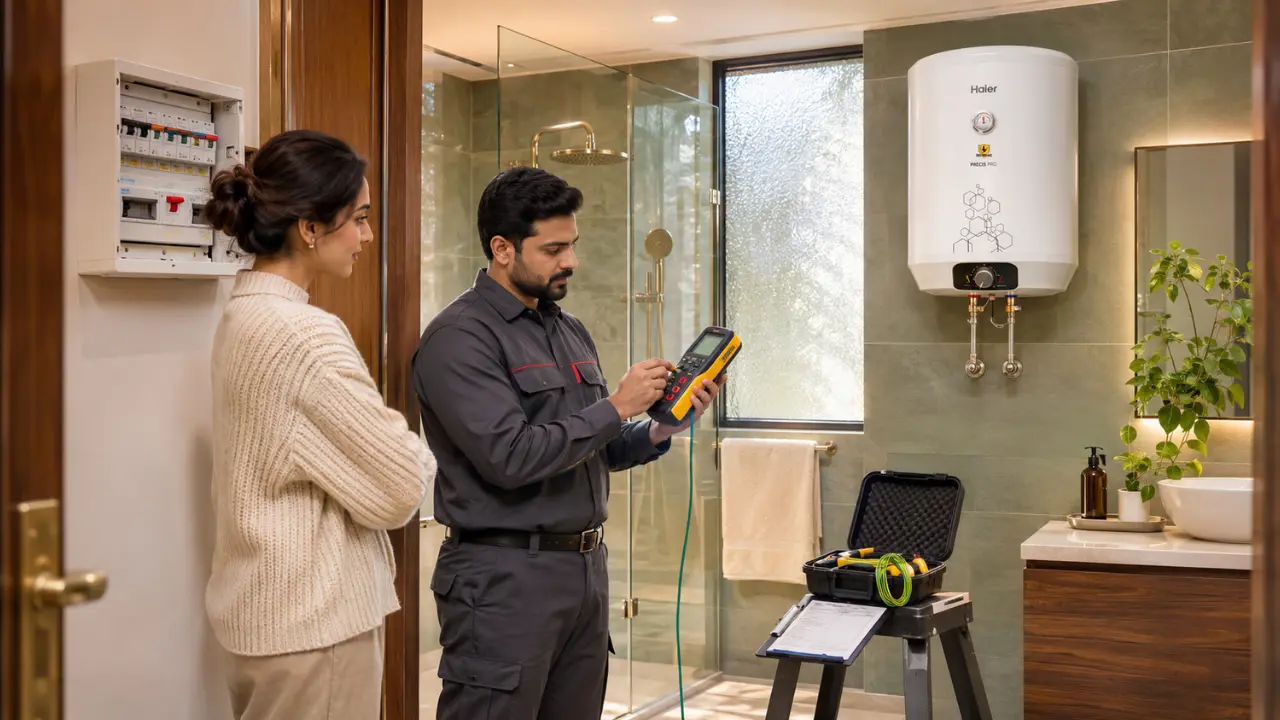

A water heater may appear to be in perfect condition, heat water effectively, and have an electrical safety problem without anyone realizing it. The indicator light is functional, the water is hot, and the morning routine goes on.
What if there is a fault in an internal electrical component, though?
A small electrical problem in a bathroom can be a serious issue, as moisture, wet surfaces and electrical appliances are all competing for space. That is why it is important to have earthing as part of the installation of water heaters.
Whether you have an independent house or a high-rise apartment, knowing the importance of earthing for bathroom water heaters can help you make safer choices when installing, maintaining and choosing water heaters.
What Is the Purpose of the Earth in a Water Heater?
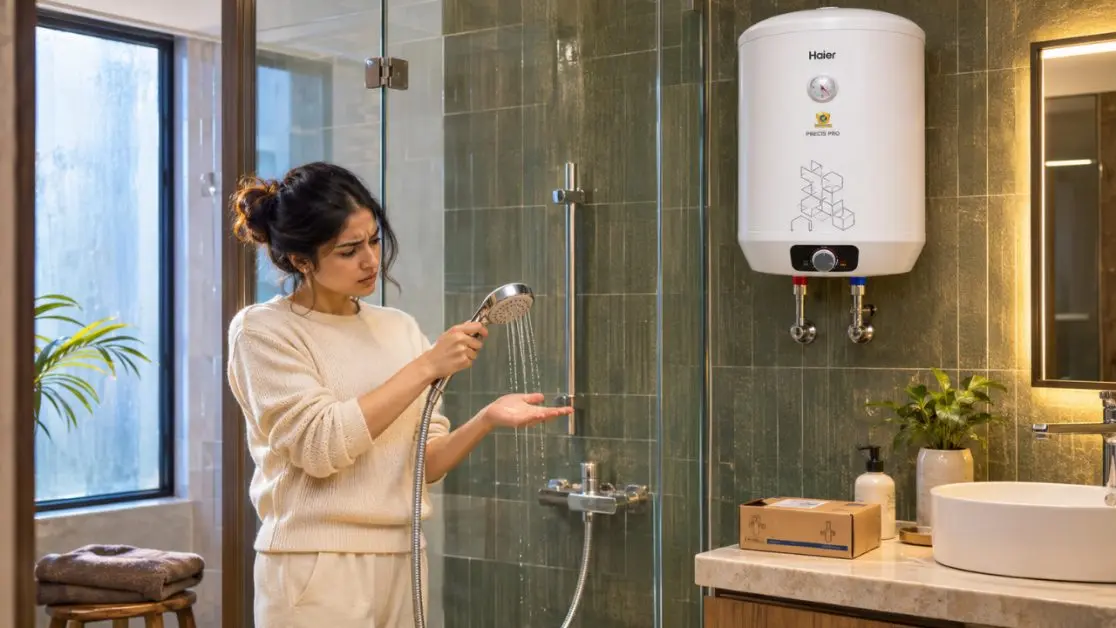
Earthing is an electrical safety measure that connects exposed conductive parts of an appliance to the protective earthing system of the building.
When the circuit is normal, electricity passes through the desired circuit and activates the heating element. If, however, damaged insulation or a faulty part allows electricity to get to the metal body of the appliance, things are different.
A properly installed protective earth will offer a low impedance fault current path to assist protective devices to disconnect the electricity supply.
It’s like a backup plan in case of emergencies.
Why Is It That Earthing Protects Against Electric Shock?
A properly functioning earthing system helps:
- Minimize the danger of exposed metal parts being dangerously energized during some electrical faults.
- Maintain circuit breakers and other protective devices.
- Offer a protective fault current path, not a dangerous touch voltage.
- Make the water heater installation more overall electrically safe.
But, earthing is not enough to stop all electrical accidents. Proper circuit protection, proper wiring and periodic testing are also important.
Why Is It That Earthing Is Especially Important in Bathrooms?
Imagine a typical winter morning in Delhi. The geyser is turned on, water is heated and the person enters the bathroom.
The floor may already be wet. There could be condensation around the walls, and the person using the bathroom may be barefoot.
Electrical safety is especially critical in these situations.
1. Wet Skin Can Enhance Electrical Risk
When skin comes into contact with an energised surface, the current that can pass through the body may be increased by moisture which can decrease the electrical resistance of the skin.
Therefore, a bathroom water heater should be installed with suitable protection such as good earthing.
2. Electrical Conductive Materials Can Conduct Electricity
Metal taps, shower fittings and plumbing parts are common items found in bathroom installations.
When a fault occurs, the conductive parts that are not properly installed or bonded can generate dangerous touch-voltage situations.
These risks are managed by correct earthing and protective bonding, where necessary.
3. Electrical Faults Can Be Concealed
Not all electrical issues result in sparks, smoke or a noticeable burning odor.
Even if the electrical installation of a water heater needs to be addressed, the water heater can still heat water.
This is why it is crucial to have professional inspections done periodically, especially in older homes that may have been wired several times.
Are Earthing, Shock Protection and MCBs the Same?
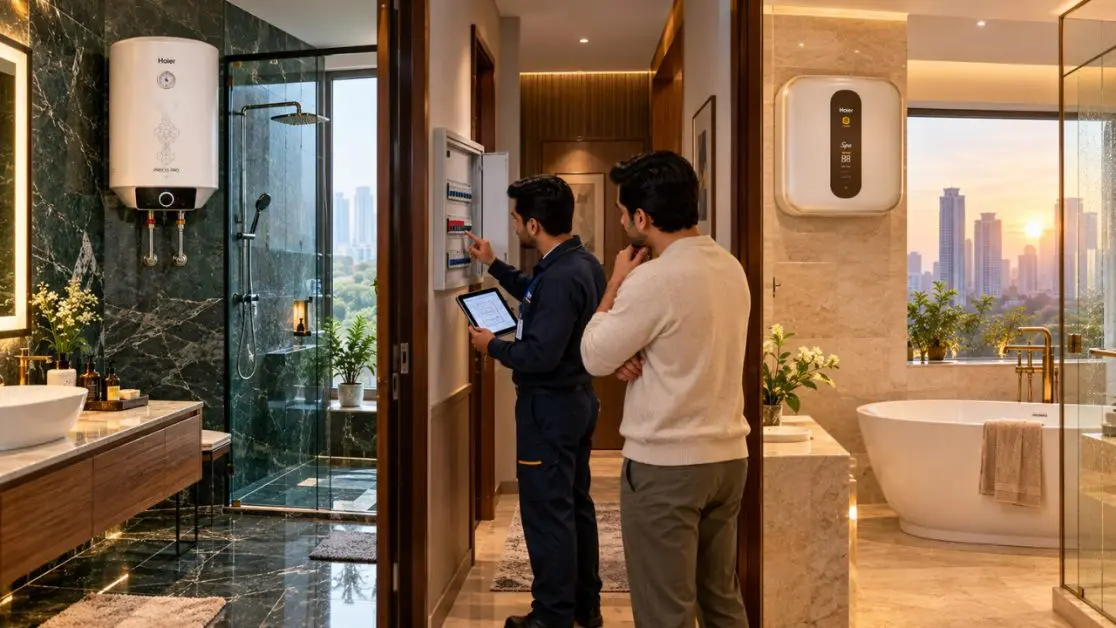
These safety measures serve various purposes.
Earthing
When properly designed, earthing offers a protective path for electrical fault current and helps to limit dangerous touch voltages.
MCB
A miniature circuit breaker is a circuit protection device that will protect a circuit from overloads and short circuits. But, an ordinary MCB is not capable of detecting all the dangerous earth leakage conditions.
RCCB or RCBO
A residual current circuit breaker (RCCB) is a safety device that senses the difference between the current leaving the circuit and the current returning to it and trips the circuit off the supply if the difference is greater than the RCDB’s operating value.
Appropriately selected residual-current protection is an important additional protection for bathroom circuits.
None of these measures should be used as a substitute for the other measures. The entire installation should be inspected by a qualified electrician.
How Haier India Incorporates Electrical Safety into Water Heater Design?
Correct earthing starts with professional installation, but another factor is the type of water heater that is selected that has appropriate protective features.
Haier India provides storage water heaters with features to combat electrical leakage, overheating, water exposure and operating pressure.
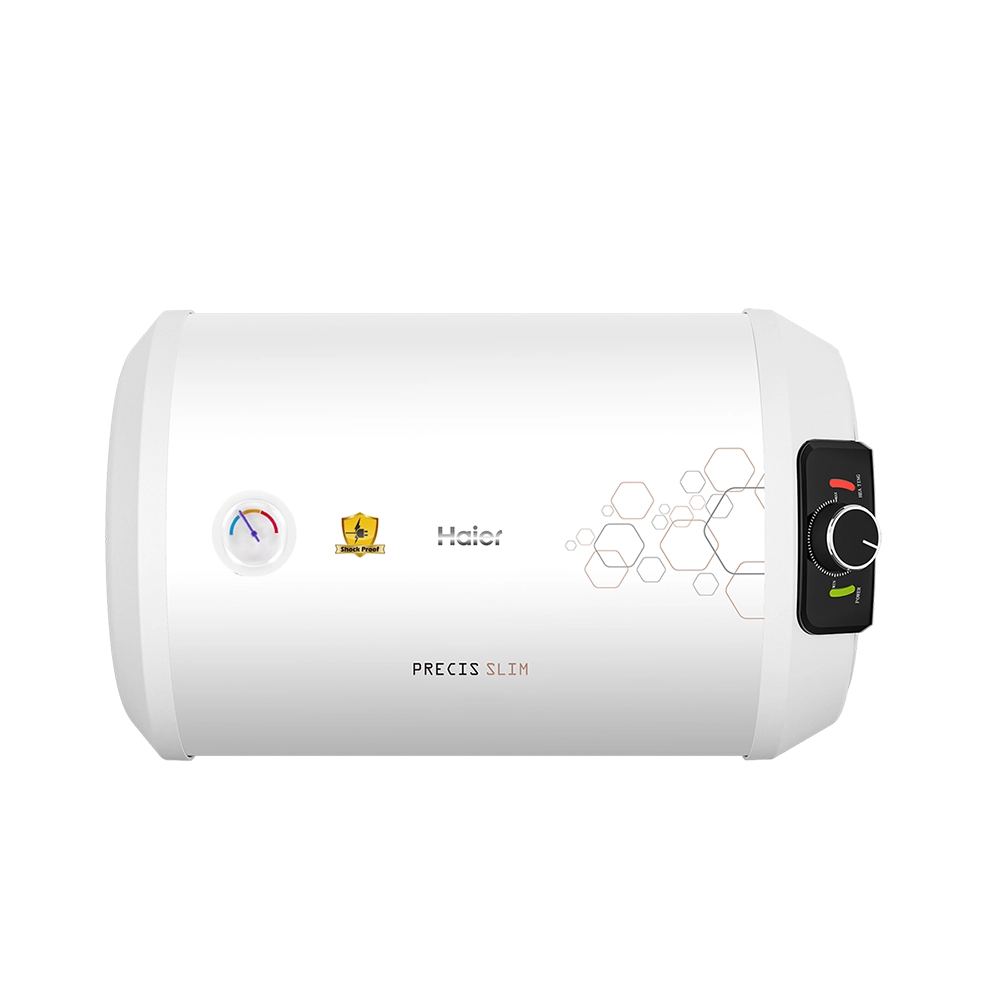
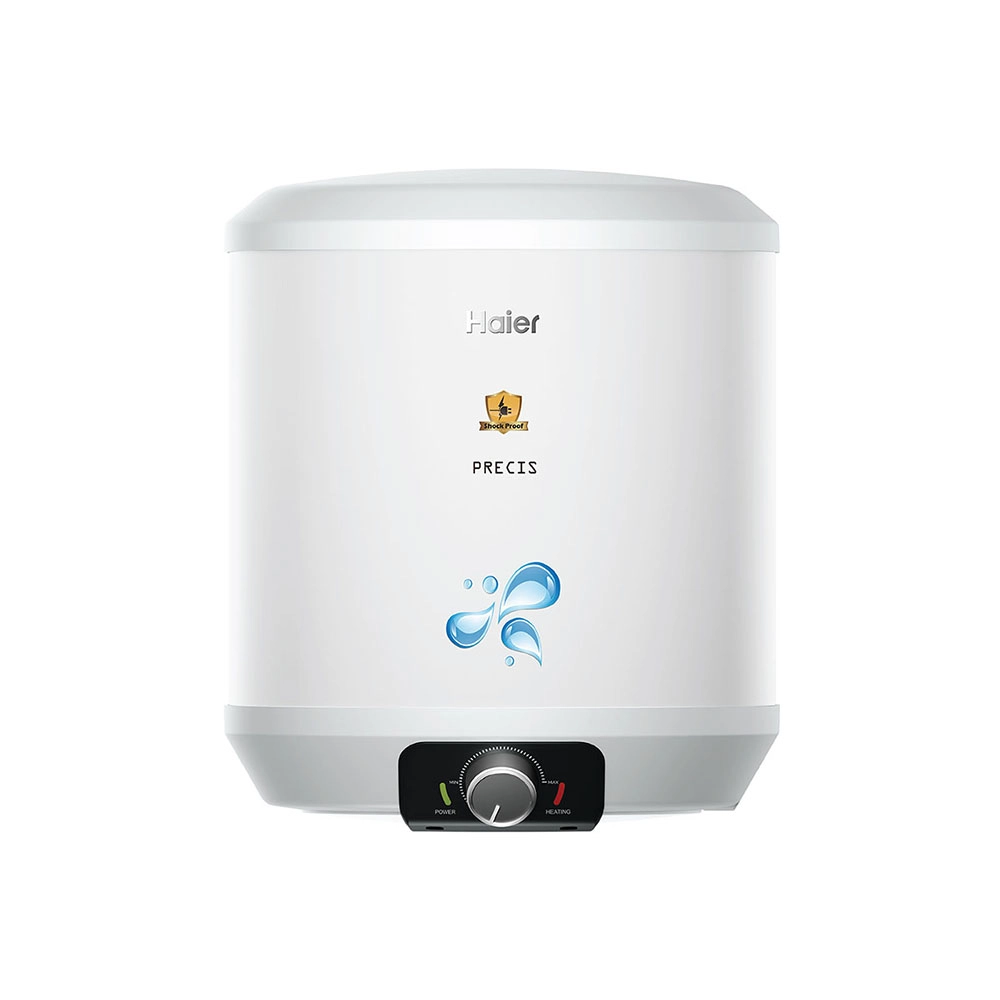
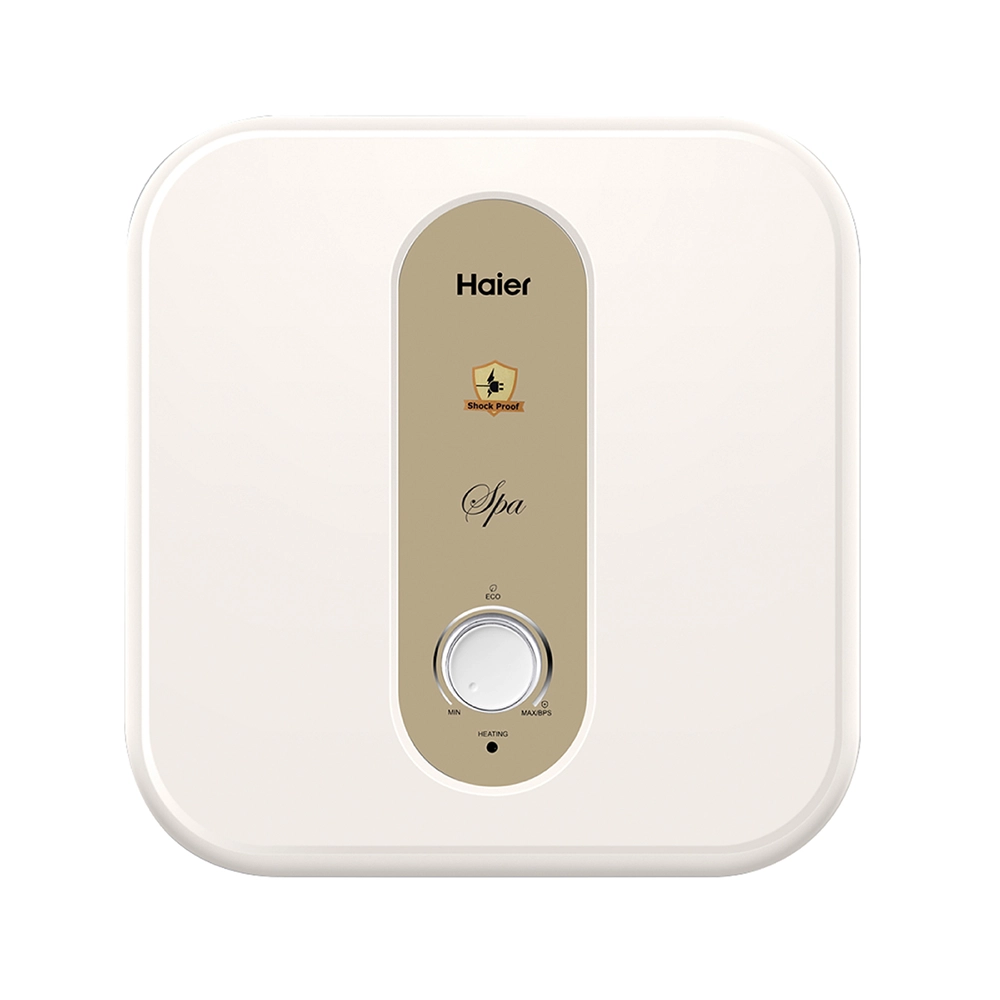
There are three models to consider: Haier 15L PRECIS, Haier 15L PRECIS PRO and Haier 25L REGENTA.
Haier 15L PRECIS ABS 5 Star Cylindrical Water Heater (ES15V-PRECIS)
Haier 15L PRECIS is a storage water heater with multiple protection technologies.
It has the following main characteristics:
- Shock Proof Technology: Technology that minimizes the risk of electrical shock by lowering the voltage of leakage conditions.
- Dual Thermal Proof (TTS): Two levels of thermal protection against overheating.
- Water Resistant (IPX4): Resists water splashes.
- MUV Valve: Multi-purpose valve that performs pressure relief, anti-vacuum, non-return and drainage functions.
- 8 Bar Rated Pressure: Suitable for high pressure water supply conditions, such as high rise buildings.
The model also includes a glass-lined tank and PUF/EPS insulation for durability and heat retention.
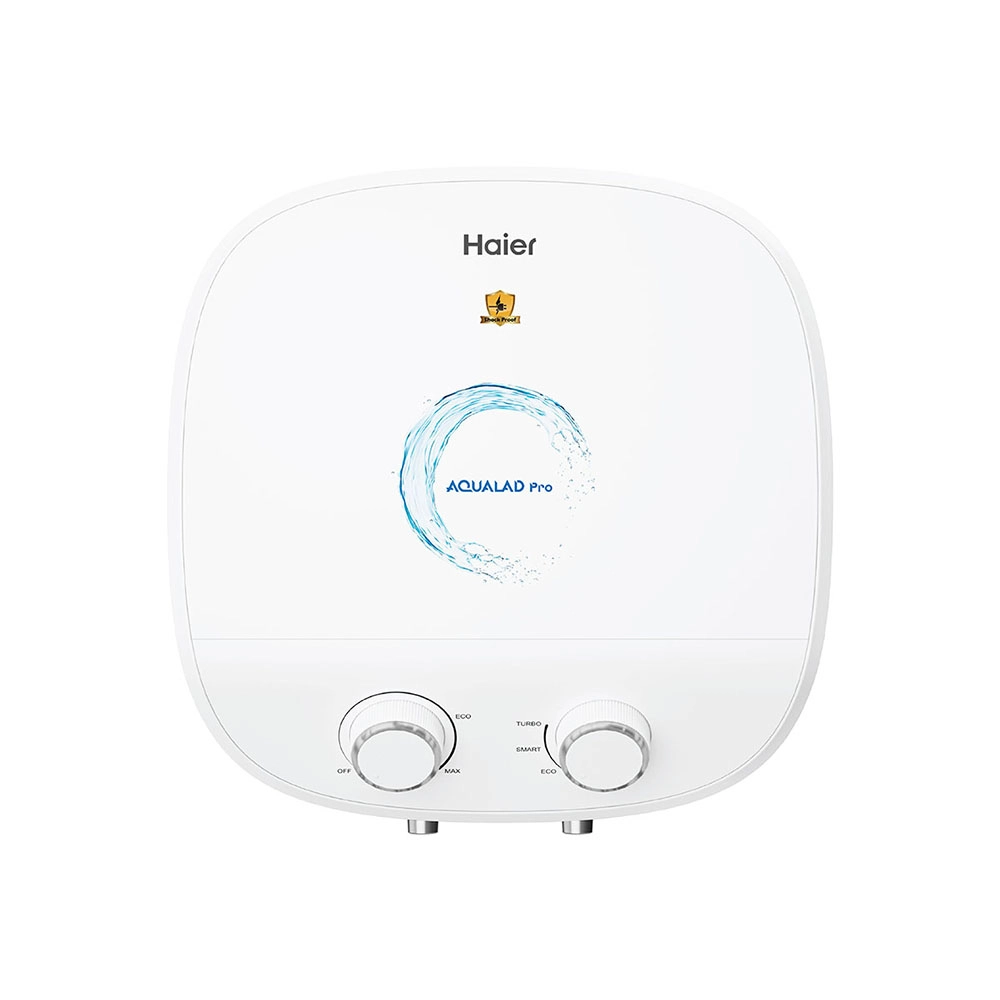
Haier 15L PRECIS PRO ABS 5 Star Cylindrical Water Heater (ES15V-PRECIS PRO)
If you’re looking for another 15 litre choice, the Haier PRECIS PRO has protective and functional features.
It features Shock Proof Technology, Dual Thermal Proof, IPX4 water resistance and an MUV valve.
It features its RSC U-turn Flow Technology, which promotes water flow and prevents water stagnation in the tank.
It also has a glass lined tank, an Incoloy 800 heating element and a 5-star energy rating.
These features make it a viable choice for the average homeowner’s storage water heater needs.
Haier 25L REGENTA ABS 5 Star Cylindrical Water Heater (ES25V-REGENTA (I))
For households that need more hot water storage, the Haier 25L REGENTA is a larger option.
It comes with a 25 litre capacity and includes:
- Shock Proof Technology for extra protection from electrical leakage hazards.
- Dual Thermal Proof for temperature related safety.
- IPX4-rated splash resistance.
- An 8 bar pressure rating.
- A 2200W heating element.
- Heat loss reduces PUF/EPS insulation.
The REGENTA also features a glass lined tank and Bacteria Proof System.
Importantly, these Haier safety technologies are in addition to good electrical installation. They do not replace the requirement for good earthing, appropriate circuit protection or professional servicing.
How to Check if Your Bathroom Water Heater Is Properly Earthed?
It is not possible to reliably assess the condition of an earthing connection by observing the appliance.
The presence of a three-pin plug, a working indicator light or normal heating does not indicate that the protective earth is working.
A licensed electrician should check the following:
- The water heater is continuously connected to the protective earth.
- The earthing system is in accordance with the relevant electrical safety standards.
- The circuit has appropriately rated protective devices.
- Wiring, terminals and connections are good.
- Protective bonding and residual current protection are properly installed.
Earth continuity, insulation resistance and protective device operation tests are performed as part of professional testing.
Do not try to test earthing by touching metal parts, by using improvised wires or by trying out electrical connections.
The Signs That Should Never Be Overlooked
Electrical issues don’t always present themselves in a straightforward manner. However, some signs require urgent action.
Watch for:
- A sensation of tingling when touching the water heater or metal fittings near the water heater.
- Frequent tripping of circuit breaker or RCCB.
- Smells of burning near the appliance or electrical connection.
- Damage to wiring, switches or sockets that can be seen.
- Leakage of water around electrical equipment.
If any of these happen, discontinue use of the water heater. If safe, disconnect the power supply from a dry, easy-to-reach location and schedule a professional inspection.
Never use the appliance because it is still heating water.
When Installing a New Geyser, Should You Check the Earthing?
Absolutely. Installation is actually one of the most critical times to check electrical safety.
When installing a new bathroom water heater, have a qualified person inspect the earthing connection, circuit protection and suitability of the electrical supply.
This is especially important for Indian households that are replacing an older geyser with a new one, as the wiring in the existing system might not be suitable for the new geyser.
The selection of a modern water heater is just the first step. It is important to install it correctly.
Make Bathroom Safety a Priority With Haier India
Electrical safety is the first step in a reliable hot-water experience.
Proper earthing helps to prevent hazardous electrical faults and suitable protective devices and professional installation offer further protection.
Haier India’s storage water heater range, which includes 15L PRECIS, 15L PRECIS PRO and 25L REGENTA, comes with features like Shock Proof Technology, Dual Thermal Proof and IPX4 water resistance.
From 15 litre to 25 litre storage water heater, explore Haier India’s range and find the one that fits your household needs.
Check out the official Haier India website to learn about the models available, compare their features and make a safe and convenient choice for your water heater.
Frequently Asked Questions
1. Why is earthing important for bathroom water heaters?
Earthing provides a safe path for electrical fault current to flow into the protective earthing system. It helps prevent the metal body of a water heater from becoming dangerously energised and allows protective devices to disconnect the power supply during an electrical fault.
2. Can a water heater cause an electric shock if it is not properly earthed?
Yes. If an internal electrical component develops a fault, current may reach the metal body of the water heater. Without proper earthing and circuit protection, this can create an electric shock hazard, particularly in wet bathroom environments.
3. Is earthing necessary for water heaters in apartments and high-rise buildings?
Yes. Whether you live in an independent house or a high-rise apartment, proper earthing is essential. High-rise installations should also have suitable electrical protection for the building’s water supply pressure and electrical requirements.
4. Does an MCB provide the same protection as earthing?
No. An MCB protects against electrical overloads and short circuits, whereas earthing provides a protective path for fault current. An RCCB or RCBO provides additional protection by detecting residual current and disconnecting the supply. These safety measures serve different purposes.
5. What is the role of an RCCB in a bathroom water heater installation?
An RCCB detects an imbalance between the current flowing through the live and neutral conductors. If leakage current exceeds its operating threshold, it disconnects the electrical supply, helping reduce the risk of electric shock.
6. What is Haier Shock Proof Technology in water heaters?
Haier Shock Proof Technology is a safety feature designed to reduce the risk associated with electrical leakage conditions. It is an additional appliance safety feature and does not replace proper earthing, suitable circuit protection or professional installation.