
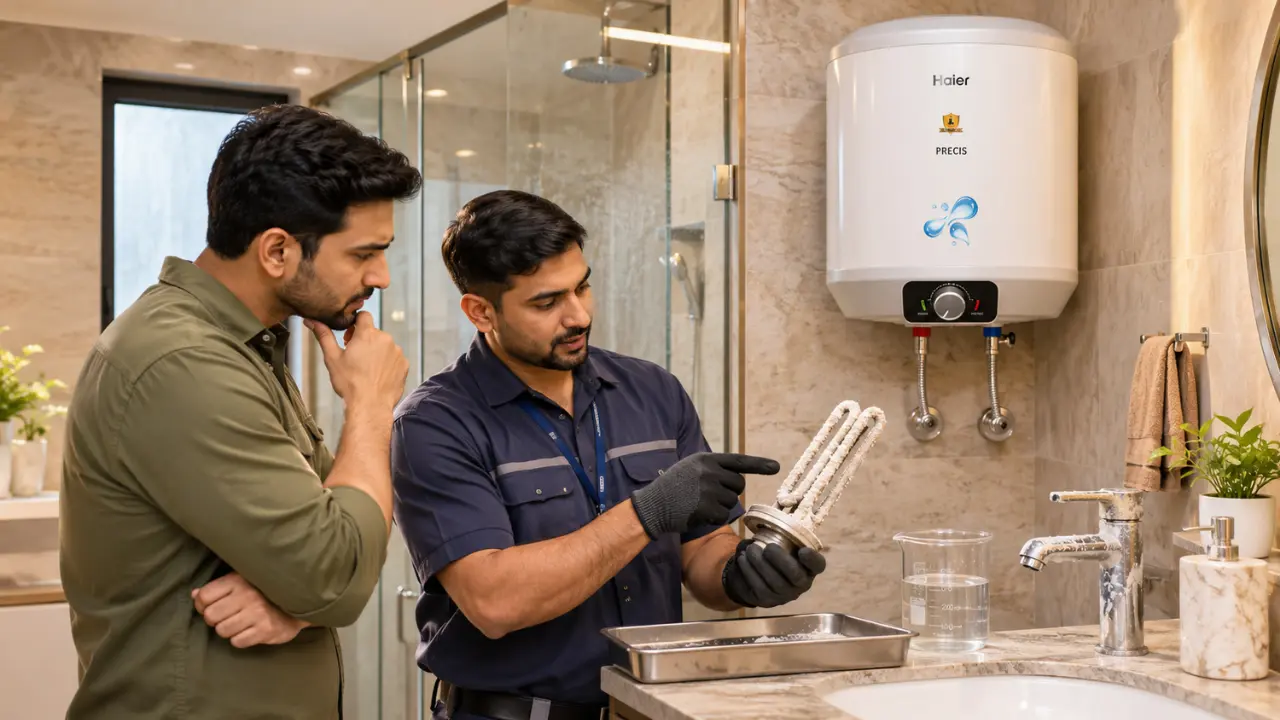

Your storage geyser may be heating water every morning without any noticeable trouble. The temperature feels right, the water flow is normal, and everything appears to be working as expected.
But what happens inside the tank is another matter.
In many Indian households, especially those relying on borewell water or groundwater, dissolved minerals gradually accumulate inside water-heating appliances. Initially, the deposits may seem harmless. Over time, however, they can affect heating performance, increase maintenance requirements and shorten the appliance’s useful life.
So, can hard water damage a storage geyser?
Yes. Prolonged exposure to hard water can cause mineral scaling, reduce heating efficiency and contribute to premature wear of internal components. Understanding these effects can help homeowners protect their geysers and make better purchasing decisions.
What Makes Hard Water Harmful to a Storage Geyser?

Hard water contains dissolved minerals, primarily calcium and magnesium. These minerals occur naturally in water, but their concentration varies depending on the source.
When water enters a storage geyser and gets heated, certain dissolved minerals can form solid deposits. These deposits, commonly called limescale, gradually settle on the heating element and internal tank surfaces.
Think of the whitish layer sometimes visible inside an electric kettle. A similar process can occur inside a storage water heater, except the deposits remain largely hidden.
The consequences depend on several factors:
- Mineral concentration in the incoming water
- Frequency and duration of geyser usage
- Water heating temperature
- Internal tank and heating element materials
- Maintenance frequency and water quality
Hard water does not necessarily damage a geyser immediately. The concern is continuous mineral accumulation over months or years.
What Actually Happens Inside a Geyser When Hard Water Is Heated?
The heating element is generally among the first components affected by mineral scaling.
1. Mineral Deposits Reduce Heating Efficiency
A heating element transfers heat to the surrounding water. When limescale forms around its surface, the mineral layer creates additional resistance to heat transfer.
Consequently, the appliance may require more time to heat the same quantity of water.
For households using their geysers several times daily, this reduced efficiency can become increasingly noticeable.
2. Heating Elements Experience Additional Stress
Heavy scaling can cause the heating element to operate at higher surface temperatures.
Over time, excessive deposits may contribute to overheating and premature element failure.
However, the extent of damage depends on the element’s construction, operating conditions and maintenance history.
3. Sediment Accumulates Inside the Storage Tank
Not every mineral deposit remains attached to the heating element.
Some particles settle at the bottom of the storage tank, where they can accumulate gradually.
This sediment may contribute to:
- Reduced effective water storage space in severe cases
- Unusual heating noises
- Increased cleaning requirements
- Inconsistent heating performance
4. Internal Components May Deteriorate Faster
Hard water and corrosion are related concerns, but they are not identical.
Mineral scaling primarily affects heat transfer, while corrosion depends on water chemistry, tank materials and protective components.
A geyser exposed to challenging water conditions may experience both problems, making tank protection and periodic inspection particularly important.
Five Warning Signs That Your Storage Geyser Needs Attention

A storage geyser rarely provides a direct indication that mineral deposits are accumulating internally.
Instead, homeowners may notice changes in everyday performance.
Watch for these symptoms:
- Longer heating time: Water takes noticeably longer to reach the usual temperature.
- Unusual sounds: Popping or rumbling noises occur during heating.
- Reduced hot water availability: The usable quantity of hot water appears lower than before.
- Frequent heating interruptions: The appliance switches off unexpectedly or requires repeated attention.
- Visible leakage: Water appears around the tank or its connections.
These symptoms are not exclusive to hard water. Electrical faults, thermostat problems and plumbing issues can produce similar results.
A qualified service technician should inspect the appliance before the cause is determined.
Can a Storage Geyser Be Protected Against Hard Water Damage?
Although mineral deposits cannot always be eliminated, homeowners can take practical steps to reduce their impact.
Check Your Household Water Quality
If your home receives borewell water or groundwater, consider having its hardness tested.
A water hardness test can help establish whether additional treatment is necessary.
Importantly, total dissolved solids (TDS) and water hardness are different measurements. A TDS reading alone cannot accurately establish the concentration of calcium and magnesium.
Avoid Unnecessarily High Heating Temperatures
Higher temperatures can accelerate certain forms of mineral scaling.
Using an appropriate temperature setting may help reduce excessive deposits while supporting everyday hot water requirements.
Always follow the appliance manufacturer’s operating recommendations.
Schedule Periodic Professional Maintenance
Regular servicing becomes particularly important when the water supply contains high mineral concentrations.
Depending on the appliance’s condition, professional maintenance may involve:
- Inspecting the heating element for scaling
- Checking the internal tank for sediment
- Examining the magnesium anode rod, where fitted
- Inspecting safety valves and plumbing connections
- Assessing thermostat and heating performance
Never attempt to dismantle an electrically connected or pressurised storage geyser yourself.
Consider Suitable Water Treatment
Where water hardness is particularly high, an appropriately selected water softening system may help reduce mineral scaling.
However, treatment requirements should be determined through water testing rather than assumptions.
Choosing a Storage Geyser for Indian Water Conditions
Preventive maintenance matters, but the construction of the geyser itself deserves equal attention.
A storage water heater with durable tank materials, a suitable heating element and protective safety features can offer practical advantages for households concerned about long-term reliability.
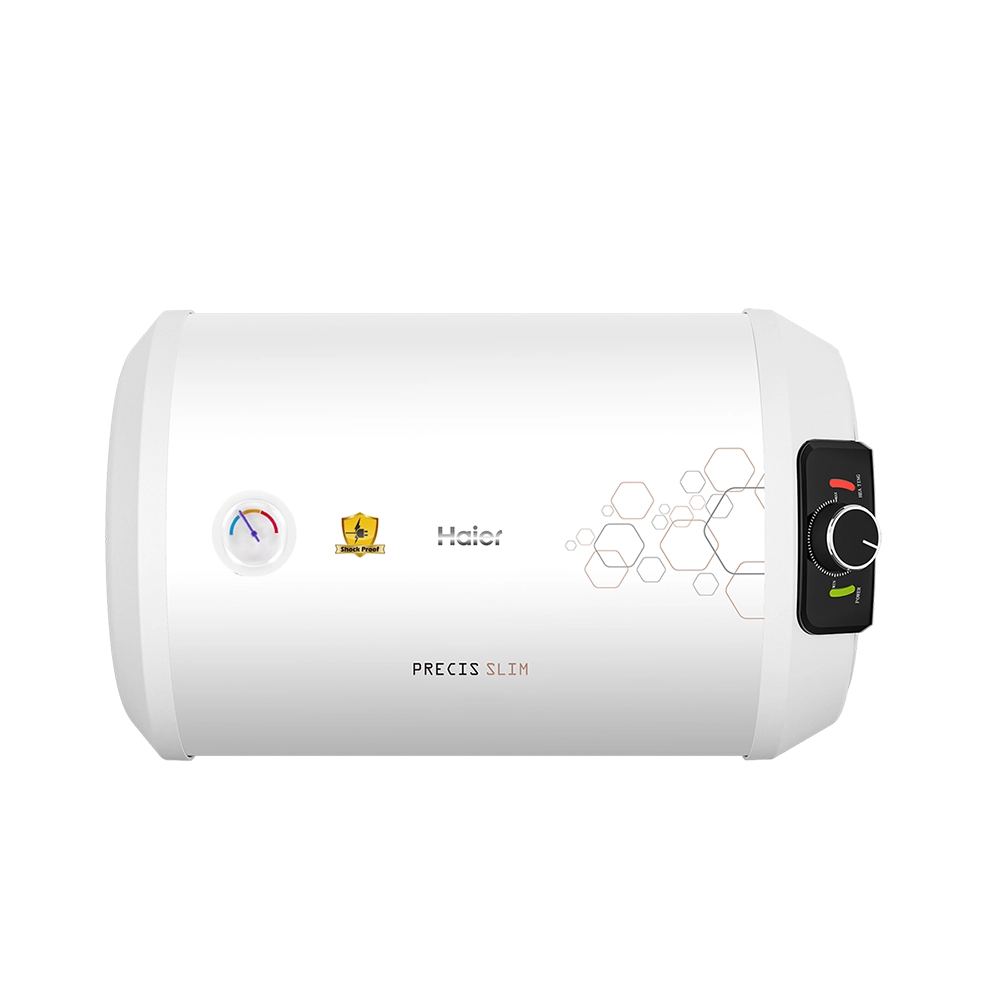
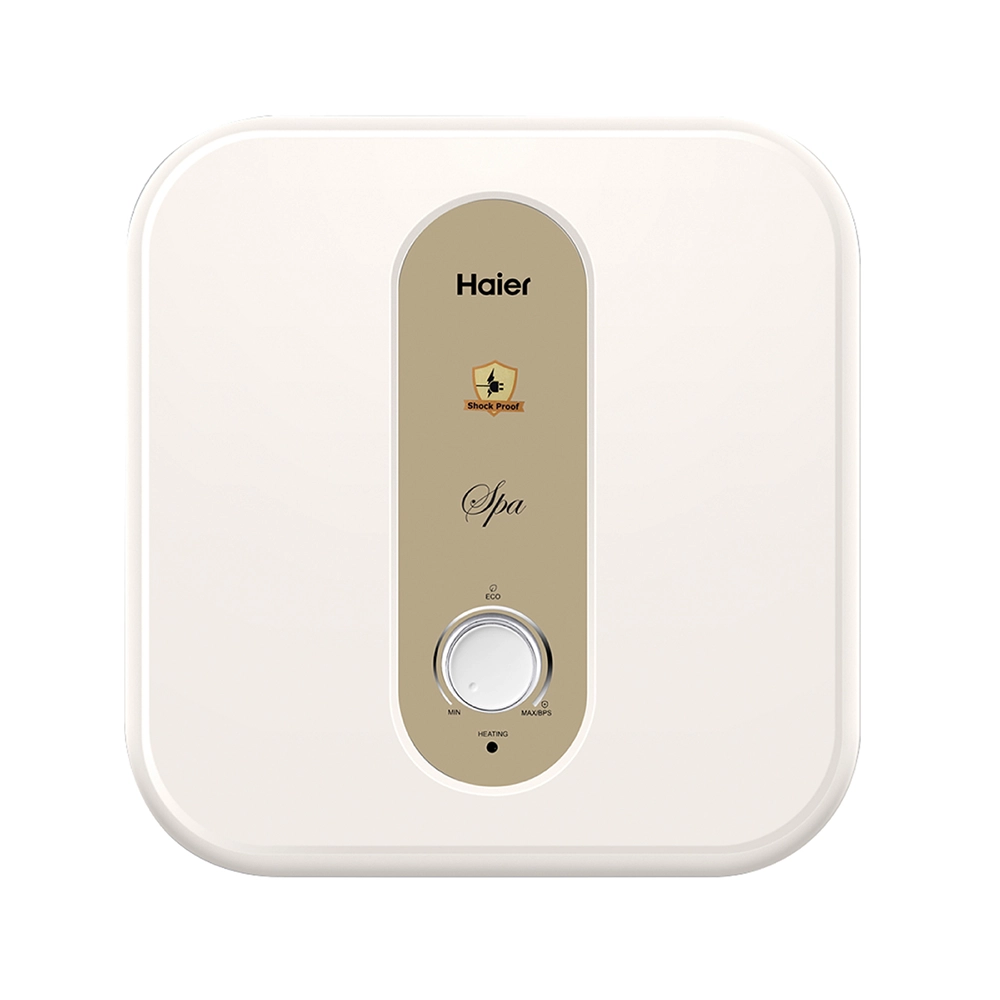
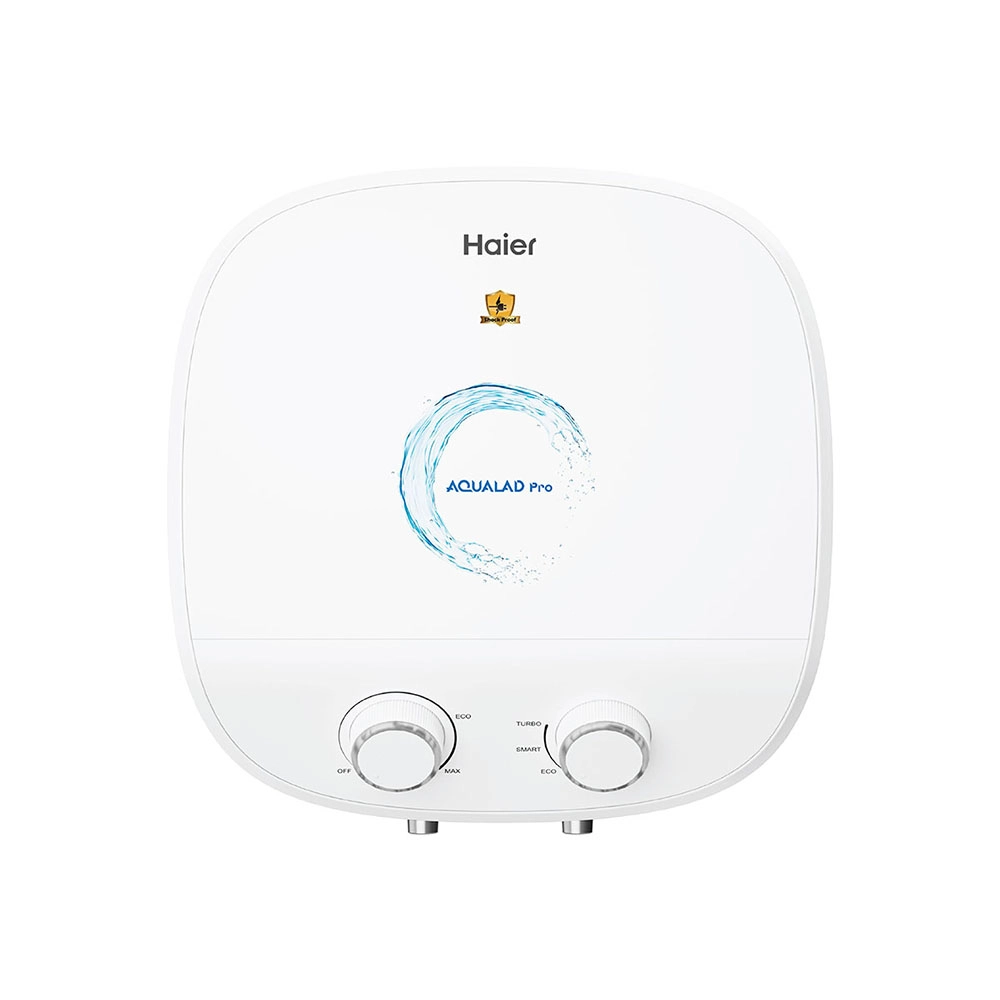
Haier India’s storage water heater range includes models designed with features that support durability, dependable heating and everyday convenience.
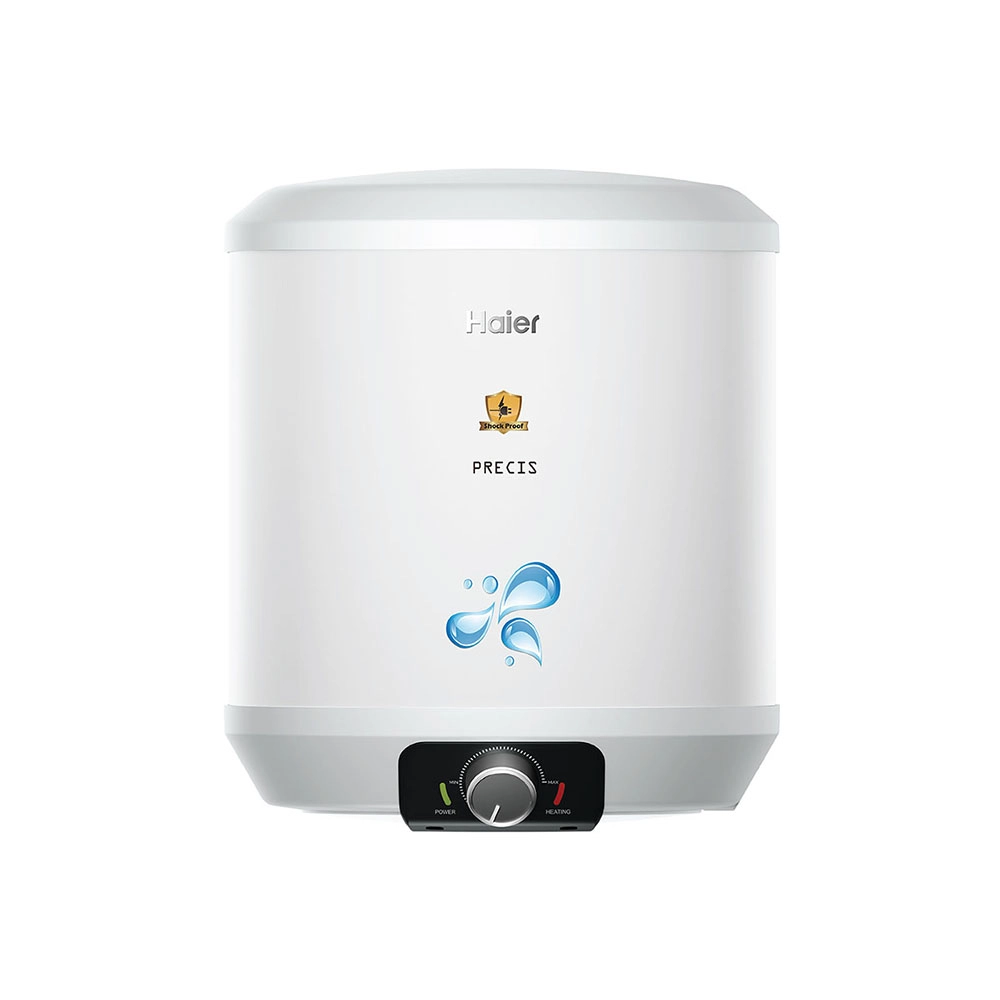
Haier 15L PRECIS ABS 5 Star Cylindrical Water Heater (ES15V-PRECIS)
The Haier 15L PRECIS ABS 5 Star Cylindrical Water Heater combines a 15-litre storage capacity with several features relevant to long-term appliance performance.
Its key features include:
- Glass-lined tank designed to enhance corrosion resistance and durability
- Incoloy 800 heating element for extended service life
- Magnesium rod for additional tank corrosion protection
- PUF/EPS insulation to help retain heat and reduce reheating requirements
- 8-bar rated working pressure suitable for high-rise applications
- Shock Proof and Dual Thermal Proof (TTS) safety features
The glass-lined tank and heating element construction make this model worth considering when evaluating a storage geyser for everyday household use.
However, these protective features do not eliminate mineral scaling, and periodic maintenance remains necessary.
Haier 15L REGENTA Cylindrical 5 Star Water Heater (ES15V-REGENTA (I))
For households seeking a 15-litre storage water heater with additional tank protection features, the Haier 15L REGENTA Cylindrical 5 Star Water Heater offers another option.
The model features a CrystalShield Tank, designed to inhibit bacterial growth in water and support long-lasting heating at high temperatures.
Other notable specifications include:
- Incoloy 800 heating element
- 2.2 kW heating power
- Magnesium rod
- Bacteria Proof System
- Dual Thermal Proof (TTS)
- 8-bar rated working pressure
- PUF insulation for heat retention
The combination of tank construction, heating element materials and safety features makes the REGENTA model a practical option for households prioritising appliance durability.
Haier 25L REGENTA Cylindrical 5 Star Water Heater (ES25V-REGENTA (W))
Larger households may require additional stored hot water, particularly when several family members use the bathroom consecutively.
The Haier 25L REGENTA Cylindrical 5 Star Water Heater offers a 25-litre capacity while retaining the CrystalShield Tank, Incoloy 800 heating element and 2.2 kW heating power.
It also includes RSC U-turn Flow Technology, designed to improve water circulation and reduce stagnant water accumulation.
Its 5-star energy rating and PUF/EPS insulation further support efficient everyday operation.
For families evaluating a higher-capacity storage geyser, this model provides a combination of storage convenience, protective construction and heating performance.
Does a 5-Star Storage Geyser Prevent Hard Water Damage?
No. A 5-star energy rating does not mean that a storage geyser is resistant to mineral scaling.
Energy ratings indicate performance against specified energy-efficiency criteria. Hard water resistance depends on different factors, including internal materials, water chemistry and maintenance.
Therefore, buyers should evaluate energy efficiency and durability separately.
A well-insulated storage geyser may reduce heat loss, but it still requires appropriate care when exposed to mineral-rich water.
Protect Your Hot Water Comfort with the Right Haier Storage Geyser
Hard water is a common household concern, but it should not be ignored simply because the geyser continues working.
Mineral deposits accumulate gradually, and their effects often become noticeable only after heating performance begins to decline.
Choosing a storage water heater with suitable internal construction, dependable safety features and appropriate capacity is an important starting point.
Haier India’s PRECIS and REGENTA storage water heaters offer practical options for households looking for durable tank construction, reliable heating and everyday convenience.
Explore the Haier India storage water heater range to find a model suited to your family’s hot water requirements, and maintain it according to the recommended service guidelines for lasting performance.
Frequently Asked Questions
Can hard water permanently damage a storage geyser?
Yes. Severe mineral scaling can contribute to heating element failure and other performance problems. Timely servicing may prevent some damage, although heavily deteriorated components may require replacement.
How often should a storage geyser be serviced in a hard water area?
Service frequency depends on water hardness, usage and manufacturer recommendations. Households experiencing persistent scaling should consult an authorised technician for an appropriate maintenance schedule.
Does a glass-lined tank prevent limescale formation?
No. A glass-lined tank is primarily intended to improve corrosion resistance. Mineral deposits can still develop when hard water is repeatedly heated.
Can a water softener improve geyser performance?
A properly selected water softener can reduce calcium and magnesium concentrations, helping limit scale formation. Its suitability depends on household water quality and plumbing requirements.