




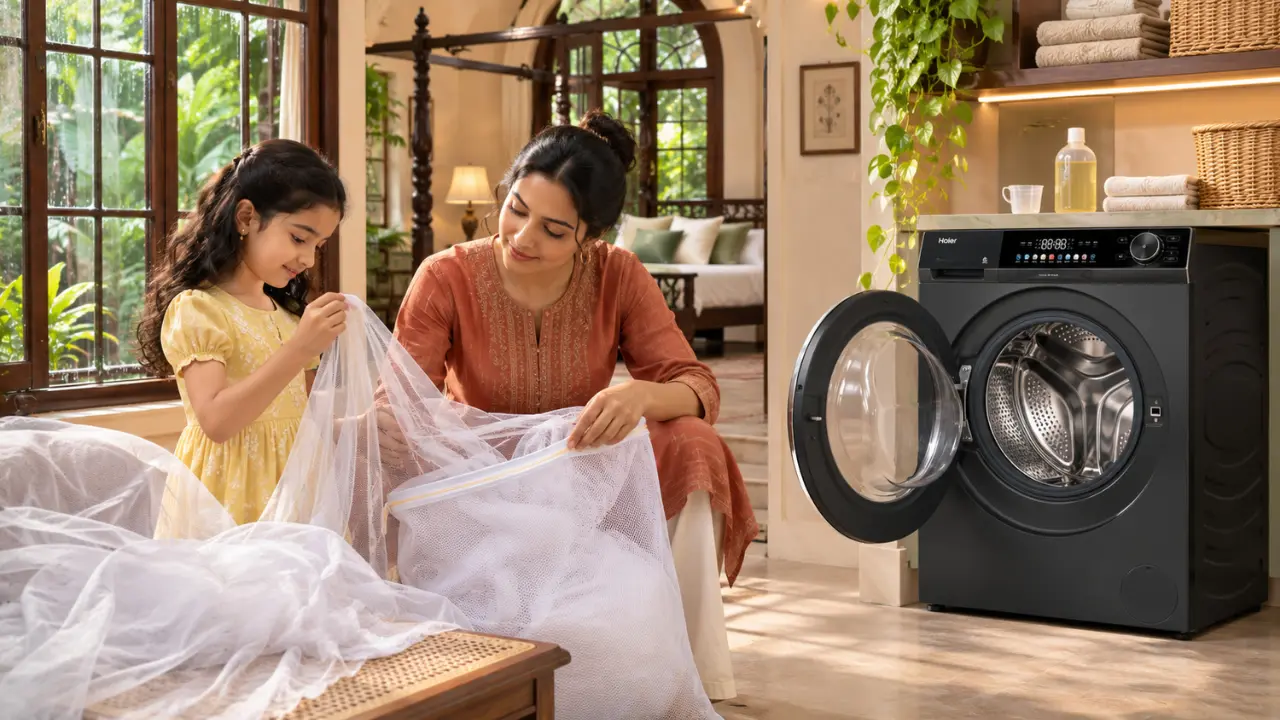

A mosquito net is not usually washed with regular laundry. It remains tucked under the mattress, hanging above the bed or folded away until the next monsoon. Over time, however, the fine mesh accumulates dust, sweat and even unpleasant odours, especially in humid Indian homes.
Washing it appears simple. But what happens when those delicate threads get trapped inside the washing machine?
Yes, mosquito nets can be machine-washed without tearing, provided they are machine-washable and washed using a gentle wash programme, cold water, mild detergent and a low spin speed. Placing the net inside a suitable laundry bag can further reduce the risk of snagging and stretching.
Preparation is just as important as washing itself.
Not All Mosquito Nets Are Suitable for Washing in a Washing Machine
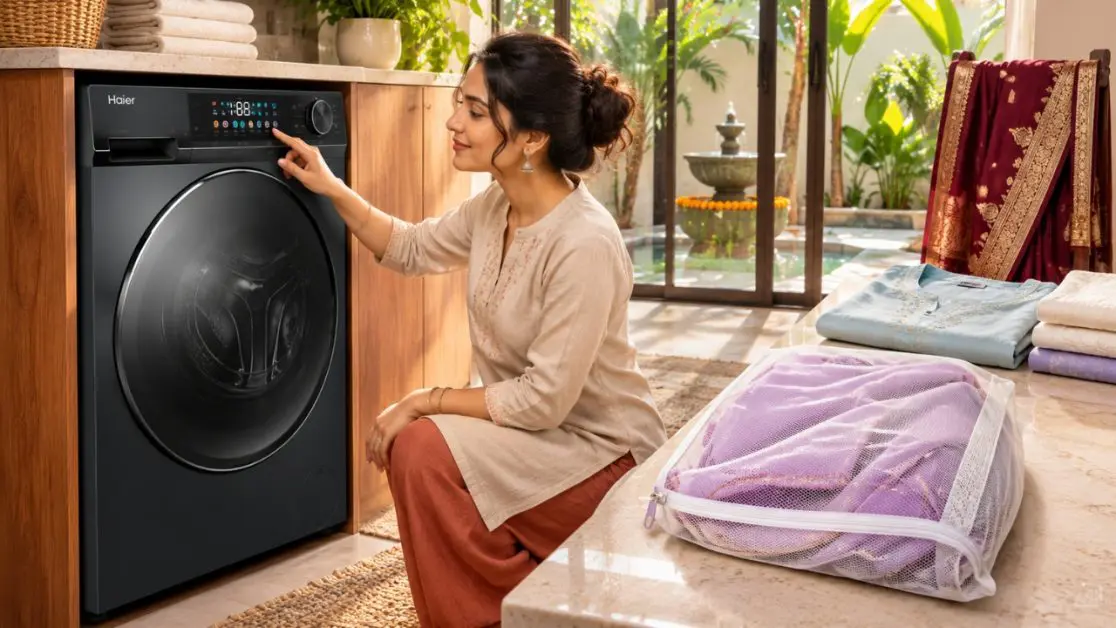
Before choosing a wash programme, take a closer look at the net. Two mosquito nets that look very similar may require completely different washing methods.
The ability of a net to withstand machine washing depends on its material, stitching and supporting structure.
| Mosquito net type | Machine-wash suitability | Recommended care |
| Polyester mesh net | Generally suitable when permitted | Wash gently with cold water |
| Nylon mosquito net | Conditional | Low spin and mild detergent |
| Cotton mosquito net | Generally suitable when permitted | Gentle washing and air drying |
| Foldable mosquito net with frame | Generally unsuitable | Hand cleaning according to instructions |
| Insecticide-treated mosquito net | Manufacturer-dependent | Follow treatment-specific washing instructions |
| Old or damaged mosquito net | Not recommended | Gentle hand washing or replacement |
Always refer to the manufacturer’s care guidelines. Insecticide-treated mosquito nets require particular attention because inappropriate washing may compromise their protective treatment.
Why Do Mosquito Nets Rip When Washed in a Washing Machine?
A mosquito net is not like a bedsheet. It consists of an open mesh made from thin threads. These openings make the fabric particularly vulnerable to snagging.
A small hook or an exposed zip can catch a section of mesh. As the drum continues rotating, the fabric stretches, potentially turning a small hole into a large tear.
Other common causes include:
- Excessively high spin speeds that put unnecessary stress on the mesh.
- Washing mosquito nets alongside heavy towels, jeans or blankets.
- Loose cords that can become entangled in the fabric.
- Overloading the washing machine drum.
- Using harsh detergents or unsuitable bleaching agents.
- Washing nets with already weakened seams or small holes.
Sometimes, the damage does not become apparent until the net is hung above the bed again. Even a relatively small opening can compromise its ability to keep mosquitoes out.
How to Wash a Mosquito Net in a Washing Machine
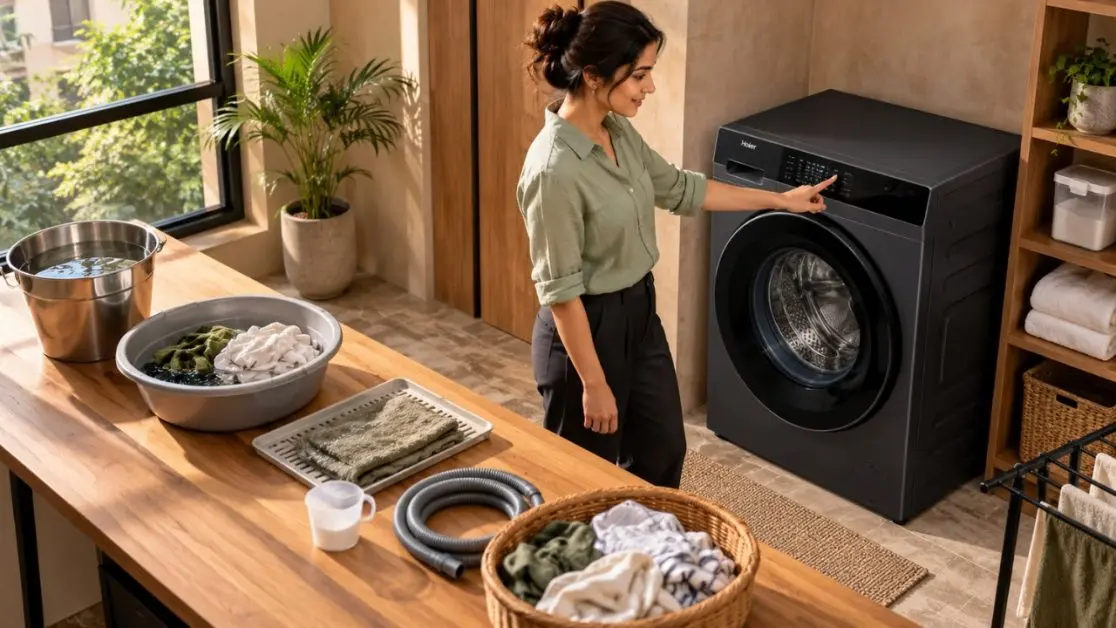
An intensive cleaning cycle is not necessary for a mosquito net. Most of the time, a much gentler approach is sufficient to remove accumulated dust and everyday dirt.
Step 1: Inspect the Mesh Before Washing
Lay the mosquito net over a clean bed or surface. Check for loose threads or damage around the corners, stitched edges and hanging points.
Repair minor tears before washing, where possible. Remove detachable hooks, rings and other accessories according to the manufacturer’s instructions.
Step 2: Remove Loose Dust
Shake the net outdoors. This will help clear away loose dust, hair and other debris that may have accumulated between the mesh openings.
Do not pull or snap the fabric too aggressively, particularly if the net has been used for several years.
Step 3: Put It Inside a Laundry Bag
Use a large, fine-mesh laundry bag to protect the mosquito net from direct contact with other surfaces during washing.
Do not bundle the net too tightly. There should be enough space for water and detergent to circulate through the fabric.
Step 4: Select the Appropriate Wash Settings
The following settings are generally preferable for ordinary machine-washable mosquito nets:
- Wash programme: Delicate
- Water temperature: Cold
- Spin speed: Lowest suitable setting
- Detergent: Mild, machine-compatible detergent
- Load: Separate from heavy or abrasive clothing
Do not choose a high-temperature hygiene programme simply because the net appears dusty. Delicate materials do not necessarily require more intensive washing.
Step 5: Remove the Net Promptly
When the cycle is complete, gently remove the laundry bag from the drum. Unfold the net without pulling on its corners or hanging loops.
Avoid wringing or twisting the wet mesh to remove excess water.
Choosing a Washing Machine That Understands Delicate Fabric Care
Indian households wash an amazingly wide range of fabrics. Cotton sarees, children’s clothes, curtains, bedsheets and delicate household items often share the same laundry space, although they require very different washing conditions.
This is where greater control over wash settings can be useful.
The Haier F5 9KG Front Load Washing Machine (HW90-IM14F5BKU1) and Haier F5 10KG Front Load Washing Machine (HW100-IM14F5BKU1) offer features designed to accommodate different household laundry requirements.
A 525mm Drum for Better Fabric Movement
Both Haier F5 models come with a large 525mm drum designed to promote fabric movement, improve garment care and reduce tangling.
This is especially helpful for lightweight but bulky household fabrics, such as household linens. It allows fabrics to move without being unnecessarily compressed against other laundry items.
Delicate Wash Programme and Adjustable Spin Speed
With 14 wash programmes, including Delicate, both washing machines provide flexibility when handling fabrics with different care requirements.
Temperature and speed adjustment functions allow users to select appropriate wash settings according to fabric instructions instead of relying on a single programme for all household items.
Pillow-Shaped Stainless Steel Drum
In addition to their fabric-care capabilities, both models feature a pillow-shaped stainless steel drum with tumble wash technology.
Additional features include:
- AI Wash technology for intelligent wash cycle optimisation.
- Inverter Motor for quieter and energy-efficient operation.
- Colour Full Touch Display for easy programme selection.
- Wi-Fi connectivity for convenient remote laundry management.
- Energy-efficient performance for energy-conscious households.
When choosing a programme for mosquito nets, always follow the washing instructions provided by the net manufacturer.
The Drying Stage Deserves Equal Attention
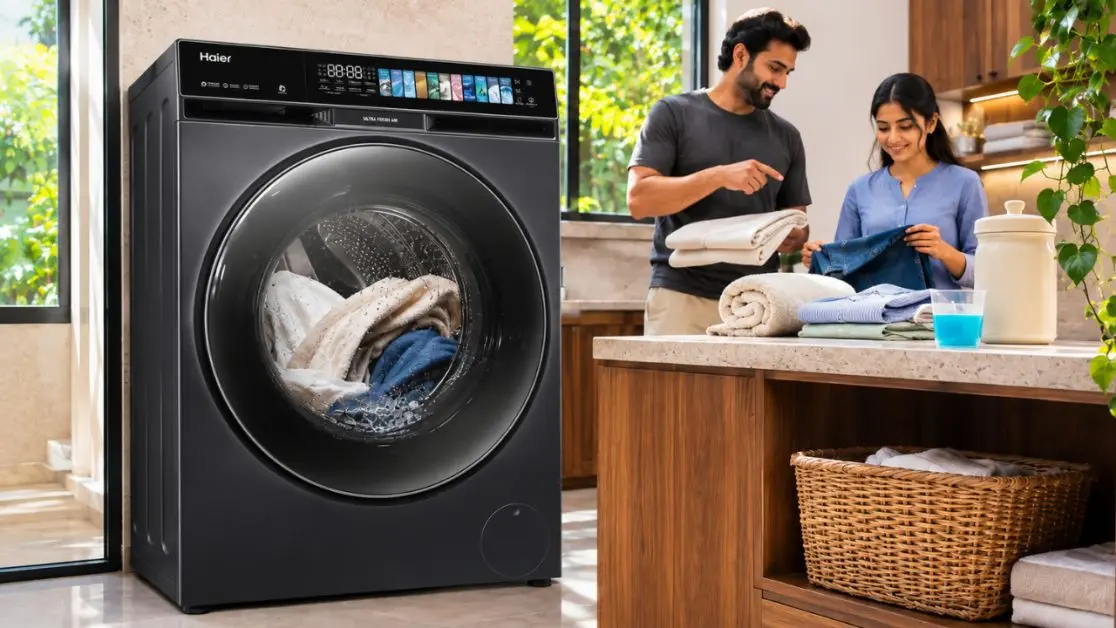
A mosquito net can survive the entire wash cycle without damage, only to develop stretched sections during drying.
Spread the freshly washed net over a clean drying rack or clothesline in a well-ventilated, shaded area. Distribute its weight evenly rather than hanging the entire wet fabric from one corner.
If the net remains damp for hours during the monsoon, indoor air circulation can help it dry thoroughly.
Do not iron, tumble dry or expose the mesh to high temperatures unless the care instructions specifically permit it.
When Should You Wash Mosquito Nets?
There is no universal washing schedule. A mosquito net used every night in a dusty neighbourhood may need more frequent cleaning than one used occasionally in an air-conditioned bedroom.
For ordinary untreated nets, consider washing when:
- Dust is visibly trapped in the mesh.
- The fabric develops an unpleasant or musty odour.
- Stains become visible around the edges.
- The net needs cleaning before seasonal storage.
For insecticide-treated nets, follow the prescribed washing frequency and care instructions instead.
Making a Small Change in Your Laundry Routine Can Make a Difference
A mosquito net serves an important purpose, and maintaining the integrity of its mesh is more important than washing it too intensively.
Machine-washable mosquito nets can become a manageable part of household laundry when the fabric is prepared appropriately, the right programme is selected and drying is handled carefully.
The Haier F5 9KG and 10KG Front Load Washing Machines from Haier India feature a spacious drum, multiple wash programmes and flexible settings to accommodate the evolving laundry requirements of Indian households.
Discover the Haier F5 washing machine range and find a more thoughtful way to care for fabrics, whether they are everyday clothes or delicate household essentials.
Frequently Asked Questions
1. Can I wash a mosquito net in a front-load washing machine?
Yes, machine-washable mosquito nets can be cleaned in a front-load washing machine using a Delicate programme, cold water and a low spin speed. Place the net inside a suitable laundry bag to minimise snagging and tangling.
2. What is the best detergent for washing mosquito nets?
A mild, machine-compatible liquid detergent is generally suitable for ordinary mosquito nets. Avoid harsh detergents, bleach and strong stain removers, as these may weaken delicate mesh fibres. Follow specific care instructions for insecticide-treated nets.
3. Can I wash mosquito nets with bedsheets and towels?
It is advisable to wash mosquito nets separately. Heavy bedsheets and towels can place additional pressure on the delicate mesh during washing and spinning, increasing the risk of stretching or tearing.
4. Can mosquito nets shrink after machine washing?
Yes, certain mosquito net materials may shrink or lose their original shape when exposed to high water temperatures. Cold water washing and natural air drying can help minimise this risk.
5. Which Haier washing machine programme is suitable for mosquito nets?
The Haier F5 9KG and 10KG Front Load Washing Machines feature a Delicate wash programme alongside temperature and spin speed adjustment functions. These settings can be selected according to the care instructions of machine-washable mosquito nets.