
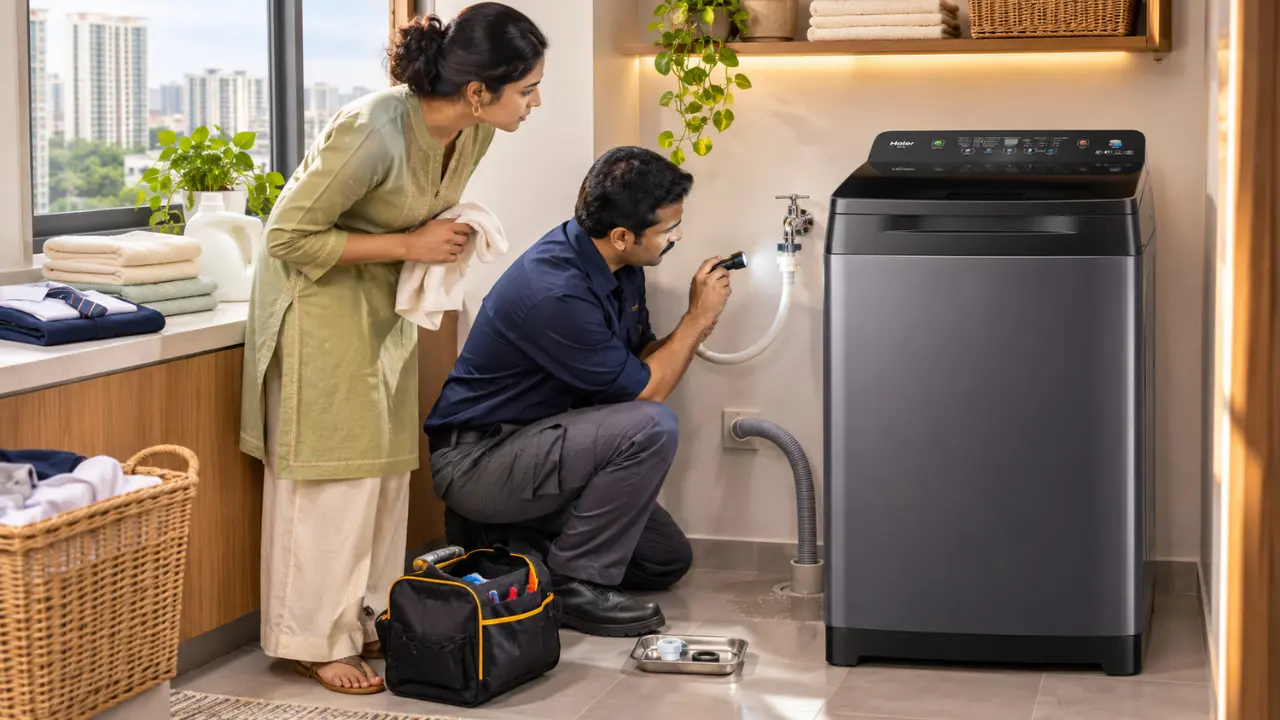

A small puddle behind the washing machine is easy to overlook. Perhaps someone spilt water while cleaning the utility balcony, or a few drops escaped while transferring wet clothes into a laundry basket. However, if that puddle keeps appearing, there is a good chance that one of the washing machine hoses needs attention.
Even a minor water leak can become a considerable inconvenience in an apartment. Water can seep through flooring, damage nearby cabinets and, in severe cases, affect the ceiling of the flat downstairs.
Preventing washing machine inlet and drain hose leaks starts with correct installation, secure connections and periodic inspection. Understanding how these components work makes maintenance considerably easier.
Two Hoses, Two Different Responsibilities
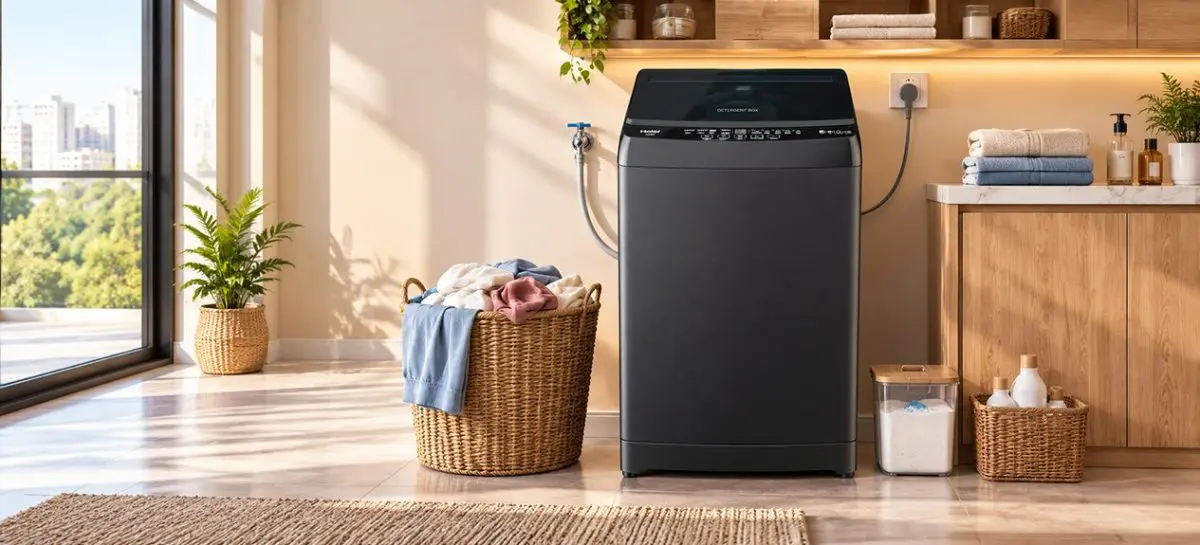
Behind a washing machine are two important connections that homeowners rarely think about until something goes wrong.
The inlet hose carries fresh water from the household water supply into the washing machine. The drain hose removes used water after washing and rinsing.
Although both carry water, they operate under different conditions. The inlet hose may remain under pressure whenever the supply tap is open, whereas the drain hose primarily handles water discharged during the wash cycle.
Knowing when a leak appears can help narrow down its source.
| When water appears | Possible source |
| When the water supply tap is opened | Loose inlet hose connection |
| While the washing machine fills | Damaged inlet hose or connector |
| During the draining stage | Damaged or broken drain hose |
| Around the floor drain | Blocked household drainage |
| Even when the machine is switched off | Pressurised inlet hose or leaking supply tap |
| After repositioning the appliance | Damaged or stretched hose |
These observations provide an initial indication rather than a definitive diagnosis.
Why Are Washing Machine Hose Leaks Particularly Troublesome in Apartments?
Apartment laundry spaces are often designed around limited available floor area. A washing machine might sit beside a kitchen counter, underneath a utility shelf or between a bathroom wall and a storage cabinet.
Unfortunately, these arrangements sometimes leave insufficient room for plumbing connections.
Other apartment-specific challenges include:
- Fluctuating water pressure due to common building pumps.
- Restricted access to connections behind the appliance.
- Shared drainage infrastructure.
- Exposure to direct sunlight in open utility balconies.
- Accidental movement during routine floor cleaning.
- Mineral deposits caused by hard water.
A hose that appears perfectly fine from the front may be tightly compressed against the wall behind the machine.
Preventing Inlet Hose Leaks: Where to Begin
Check the Rubber Sealing Washer
Inside the inlet hose connector is generally a rubber sealing washer that helps create a watertight connection.
Over time, this washer may deteriorate, become displaced or lose its flexibility. Even a securely attached connector can leak if its sealing washer is damaged.
If moisture repeatedly appears around the connection, arrange for the washer and connector to be inspected. Excessive tightening is not necessarily the solution and may damage the fittings.
Pay Attention to Apartment Water Pressure
Water pressure can fluctuate from one floor to another in an apartment building and throughout the day, particularly when the building uses booster pumps.
Excessive pressure places additional strain on inlet hoses and their connections.
Check the permissible water pressure range mentioned in your washing machine’s installation manual. If the household supply exceeds that range, consult a qualified plumber about suitable pressure regulation.
Avoid Stretching the Inlet Hose
Moving the washing machine just a few centimetres forward can sometimes place unexpected tension on its inlet hose.
The hose should have sufficient slack to accommodate normal appliance movement without being stretched, twisted or sharply bent.
If the existing hose cannot comfortably reach the water supply, use a compatible, manufacturer-recommended replacement.
Drain Hose Maintenance: Small Details That Matter
Drain hose problems often become noticeable towards the end of a wash cycle. Everything appears normal until the machine begins discharging water.
Keep the Drain Hose Properly Positioned
A loosely positioned drain hose can shift when water flows through it. Secure it using the recommended hose guide or retaining arrangement.
Follow the installation manual for the correct drainage height and positioning. Incorrect placement may cause siphoning, drainage difficulties or water spilling onto the floor.
Check the Household Drainage Outlet
Sometimes, the washing machine is not responsible for the leak at all.
Hair, lint, soap residue and accumulated dirt can restrict the household drainage outlet. When the washing machine releases water, the drain may struggle to accommodate the flow, causing water to back up.
Keep the surrounding drainage area clean and arrange professional plumbing assistance if water repeatedly overflows.
Do Not Ignore Damaged Hoses
Inspect accessible sections of the drain hose for:
- Small surface cracks.
- Flattened or compressed sections.
- Unusual stiffness or discolouration.
- Loose connections.
- Visible splits or recurring moisture.
Adhesive tape should not be considered a permanent repair for a damaged washing machine hose. Replacement with a compatible component is the more appropriate solution.
Planning a Better Laundry Space with Haier Washing Machines
When purchasing a washing machine for an apartment, it is worth considering more than just washing capacity. Appliance dimensions, accessibility, installation requirements and everyday convenience deserve equal attention.
Haier offers top-load washing machines that combine practical laundry features with designs suited to modern Indian households.
Haier 8 Kg Advance In-Built Heater Top Load Washing Machine (HWM80-H688BK)
For households managing school uniforms, office wear, towels and regular laundry, this 8 kg washing machine offers several useful features.
- Advanced butterfly-shaped in-built heater for effective cleaning.
- 2X Magic Filter for capturing lint and debris.
- Oceanus Wave Drum for gentle yet thorough fabric cleaning.
- Softfall Technology for gentle lid closure.
- Three hot water modes for different fabric care requirements.
- 5-star energy efficiency rating.
Its dimensions of 550 × 610 × 990 mm (W × D × H) provide a useful starting point when planning an apartment laundry space.
Haier 9 Kg Top Load Washing Machine (HWM90-H688BK)
Households with greater laundry requirements can consider the 9 kg model, particularly when washing larger quantities of everyday clothing.
It features an advanced in-built heater, Oceanus Wave Drum, rear control panel, Softfall Technology and a 5-star energy efficiency rating.
With dimensions of 550 × 570 × 1040 mm (W × D × H), it offers another configuration for households working with specific floor-space limitations.
Both models come with a four-year comprehensive warranty and a ten-year motor warranty, subject to applicable terms and conditions.
While these features enhance everyday laundry convenience, correct hose installation and regular maintenance remain essential for preventing external water leaks.
A Monthly Hose Inspection That Takes Just a Few Minutes
Set aside a few minutes every month to inspect your laundry area.
- Look for moisture around the water supply tap.
- Check accessible hose connections for visible deterioration.
- Ensure neither hose is compressed against the wall.
- Inspect the drainage outlet for obstructions.
- Check whether the washing machine remains level and stable.
- Close the dedicated water supply tap when the appliance is not in use.
If you discover an active leak, stop using the washing machine and shut off its water supply. Disconnect the electrical supply only if it is safe to do so without touching wet electrical fittings. Contact a qualified technician before restarting the appliance.
A Well-Planned Laundry Space Makes All the Difference
A washing machine should simplify household chores, not leave you worrying about water collecting beneath it every weekend.
Choosing a suitable appliance, allowing adequate installation clearance and maintaining its plumbing connections can help prevent avoidable water damage.
Explore Haier India’s range of top-load washing machines to find a model that complements your apartment layout, laundry requirements and everyday fabric care needs. With thoughtful installation and consistent maintenance, a more convenient laundry routine begins right at home.
Frequently Asked Questions
1. Why is my washing machine inlet hose leaking at the tap?
A washing machine inlet hose may leak at the tap due to a loose connection, damaged rubber sealing washer, incompatible tap connector or excessive water pressure. Inspect the connection and replace damaged components with compatible fittings.
2. Can high water pressure cause washing machine hose leaks in apartments?
Yes, excessive water pressure can strain inlet hoses and their connections. If your apartment uses a booster pump, ensure the water pressure remains within the operating limits specified in your washing machine’s installation manual.
3. How often should I check my washing machine hoses?
Ideally, inspect washing machine hoses once a month for cracks, bulges, loose connections and signs of moisture. Additional inspections are advisable after moving the appliance or experiencing plumbing issues.
4. Should I turn off the washing machine water supply after every wash?
Closing the dedicated water supply tap after washing is a sensible preventive measure. It reduces the time the inlet hose remains under continuous water pressure, particularly when the appliance is not in use.
5. Why does my washing machine drain hose leak only during the spin cycle?
Water leakage during the spin cycle may result from a damaged drain hose, loose connection or blocked household drainage outlet. Since water is discharged during this stage, existing drainage problems may become more noticeable.
6. Can I use an extension hose for my washing machine in an apartment?
Yes, provided the extension hose is compatible with your washing machine and meets the manufacturer’s installation requirements. Incorrect hose extensions may affect drainage performance and increase the possibility of leakage.